



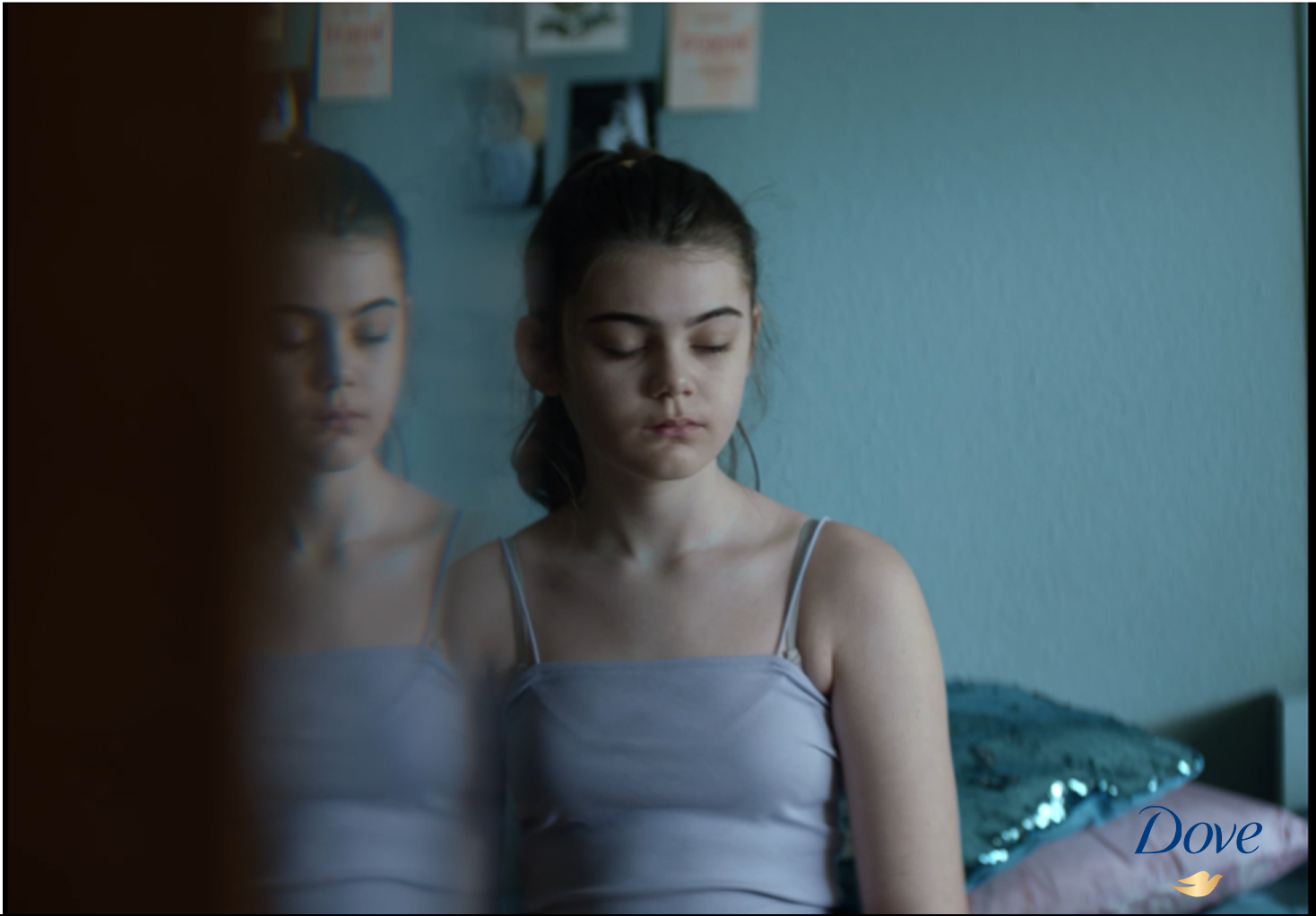
Some ‘talks’ are a rite of passage growing up, like when you sit down to chat about dealing with the class bully or topics like sex, consent and puberty. Now, with the rise of social media, filters and selfies, there’s never been a better time to have the Selfie Talk and help your child navigate the online world. So, let’s get started.
How does social media affect wellbeing?
With over a third of teenagers spending 3 hours a day (or more) scrolling on their feeds, it’s safe to say social media isn’t going anywhere. It can help us stay connected to friends and family, record memories, learn about people from different backgrounds, and even master the latest dance craze.
So, why is it that the more time young people spend on social media the more likely they are to experience low self-esteem, mood and body confidence? Scientists now think that it’s how (rather than how much) young people use social media that shapes whether it will positively or negatively influence their life.
Actively engaging with others and sharing content can make us feel connected and boost our mood. But spending lots of time passively scrolling can make us feel lonely and disconnected, too. Just one of the negative effects of social media is how it can make us focus our appearance, and feel like we’re not good enough if we don’t look a certain way. When it comes to the relationship between social media and low self-esteem, seeking validation via likes and comments, and making comparisons to others can also have a negative effect. One of the main causes for this is that many of the photos we see online are digitally distorted and not representative of real life.
Digital distortion vs. reality
We tend to only see the highlight reels of people’s lives on social media and most people only share the ‘best’ versions of themselves. If the images your child is seeing online are all carefully curated, edited and filtered, this can negatively impact their body confidence.
With 4 out of 5 girls saying they compare the way they look to other people on social media, posting the ‘perfect selfie’ can feel like an obligation rather than a bit of fun. Our recent research shows that girls take on average up to 14 selfies in an attempt to get the right ‘look’ before choosing one to post. Social media filters also allow us to alter our appearance to mimic unrealistic beauty standards by removing blemishes, brightening skin, making eyelashes longer – the list goes on.
Taking selfies and using filters can be a source of creativity and self-expression. But when they’re used to conform to society’s beauty standards, or, because your child doesn’t feel confident posting unedited pictures, it’s a sign that it might be a problem. In fact, a quarter of girls think that they don’t think they look good enough without photo editing – so, there’s never been a better time to have the Selfie Talk.
How to have the Selfie Talk
You can help your child think critically and cleverly about how they use social media and improve their self-esteem, confidence and wellbeing by teaching them to:
Understand digital distortion
Talk through the techniques and tools people use to edit their images and make a list together. Our short film ‘A Selfie’ helps to reveal the posing, camera angles, special lighting, make-up, filters that go into the ‘perfect Insta-shot.’
Avoid the comparison trap
When your child is scrolling, remind them that they’re seeing someone else’s carefully curated highlights reel. Help them develop a healthy relationship with social media by discussing whether or not social media images are a fair target for comparison (hint: they’re not). If they’re a teen, suggest they watch ‘Girls Room’, a 6-episode drama series that addresses social media, body image, and comparison.
Put the ‘social’ back into social media.
Talk about ways to use social media more purposefully to actively connect and interact with other people. Remind them to unfollow accounts that don’t make them feel good, or use the ‘hide’ function on apps like Instagram.
Create diverse, real content
Discuss ways to create a more uplifting, diverse and positive online space for themselves and others. Talk about how they can spend more time posting things that reflect their interests, activities with friends and personal qualities (without digital distortion, of course).
Learn how to spot advertising
With social media influencers becoming more popular than ever, it can be hard to spot what’s an ad and what’s not.
Tackle cyberbullying
Develop a plan for how they will cope with bullying online.
Log out
When it comes to young people and social media, you might need to encourage them to take a break if they feel overwhelmed or are not enjoying it. Set screen time limits and take a walk, call a friend, or encourage them to get creative off-screen.
Curate a positive feed
Remind them that they can unfollow the accounts that make them feel bad, use the ‘hide’ function to remove posts from their feed and make social media their own space to enjoy.
dove.com