



Did you know that carnival is an ancient tradition? Its roots stretch back to Europe’s pagan times, where an early version of the festival celebrated the god of the harvest. Over the centuries, it has evolved into a time of merriment before Lent. In fact, the word carnival itself is likely a nod to the Latin, carna vale, meaning farewell to meat. Today, it’s all about the festivities, the parades, the costumes, the joy of exploration and togetherness. To help you experience the excitement of this time, we’ve asked local experts to suggest five top destinations in Europe. But first, have you already experienced carnival in Europe? If so, upload a picture on Instagram and tag us @visit_europe. We might feature your post!
1. Stamp out winter in Lithuania
Ever feel that February is a bit of a drag? The weather is cold, and the festive spirit of Christmas is weeks in the past. Well, come to Lithuania to celebrate Užgavėnės, a festival that symbolizes the banishment of winter! How does it work? The aim is to frighten winter away, and this is done by carving scary, colorful masks (often out of wood). On the day of Užgavėnės, Lithuanians all around the country put on colorful garments and frightening masks and take them to the streets. The noise can be tremendous, which is good because winter doesn’t scare easily and who wants frigid winds lasting until April? The other wonderful part of Užgavėnės is the food. Throughout the day, participants eat as many as twelve times! One main dish is pancakes, which symbolize the coming spring and help honor Morė, the deity of fruitfulness and fertility. This unique Lithuanian carnival is a blast. Our tip: make sure you get your hands on a mask to truly be part of the fun!

2. Fun and feasting in Slovakia
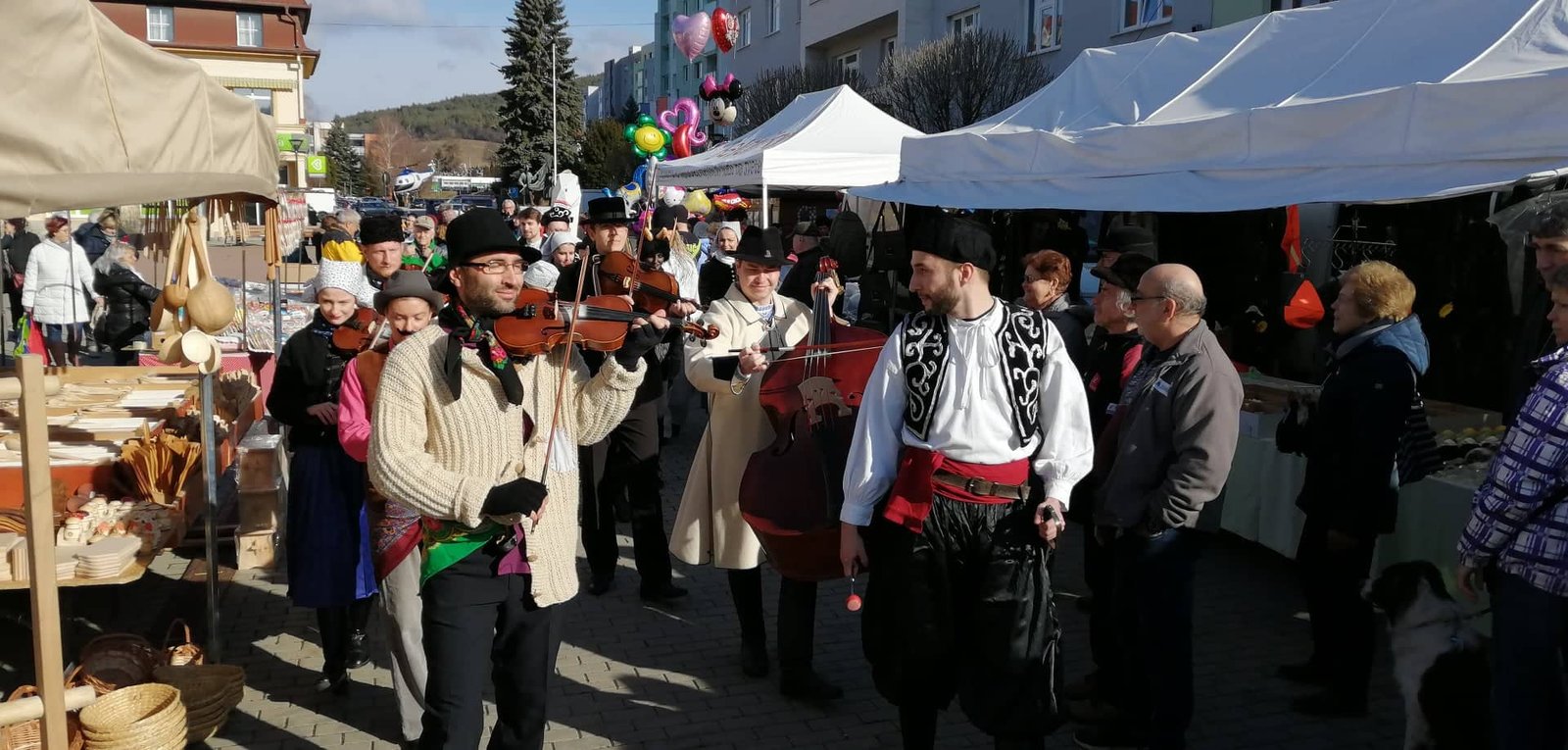
After the feasts of Epiphany, yet before Ash Wednesday, people across Slovakia celebrate Fašiangy. Full of joy, good food, and high spirits, Fašiangy helps close the door on the cold months and opens it to spring and the reawakening of the sleeping land. At its core, there are two pillars: fun and feasting! Rich bacon and delicious sausages are freshly made and a bass is ritually buried on the day before Ash Wednesday. On the streets in towns and cities across the country, people put on masks and dress up in folklore attire to sing and perform, particularly at town squares. As the music plays, passersby—also dressed up for the occasion—dance with spontaneity and great smiles on their faces. And when their legs ache a bit from all the movement, they take a seat and sip a traditional drink called slivovitz, eat cakes and doughnuts, and happily gossip with friends and family.
3. Ring in spring, Romanian style
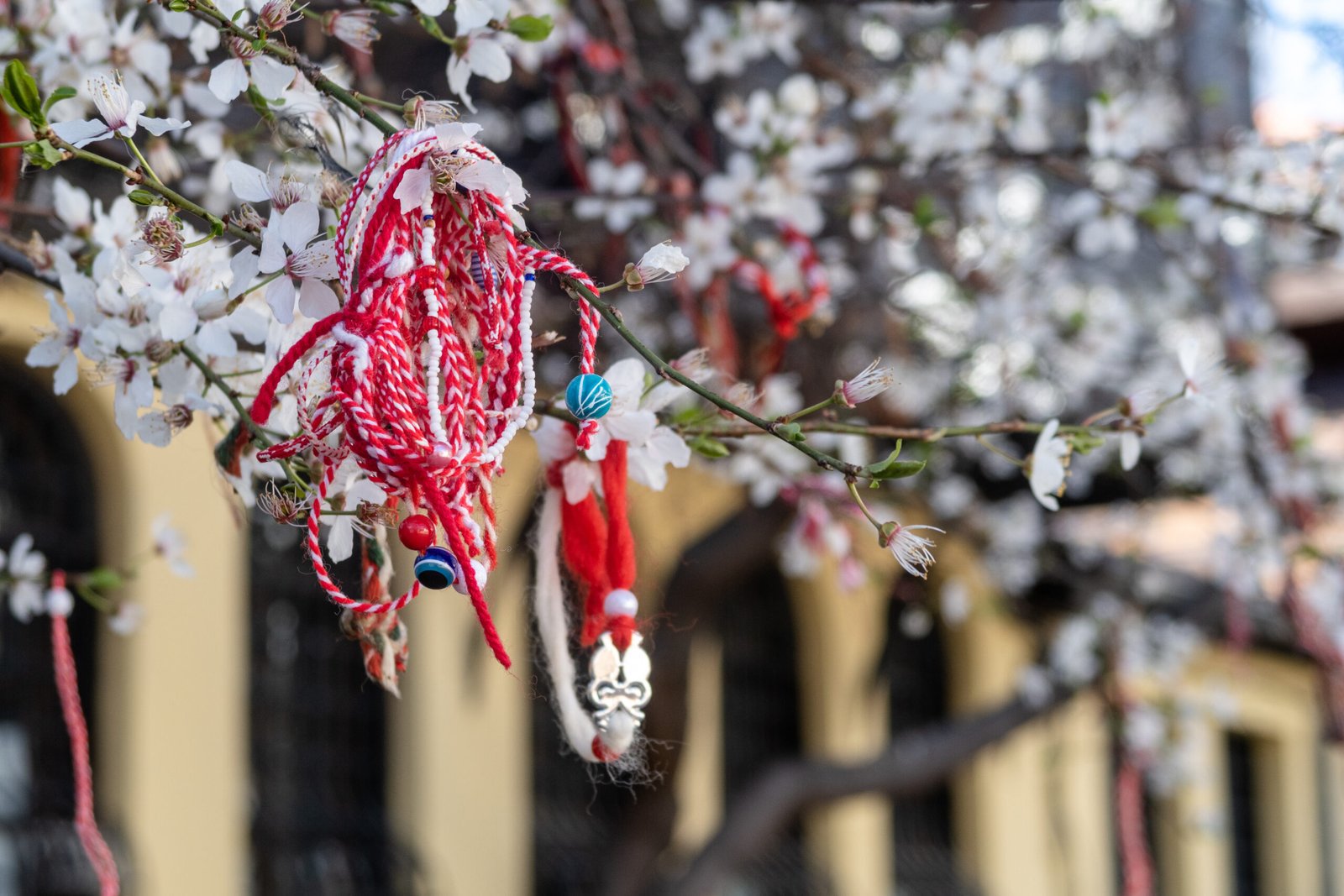
In Romania, the first of March is when winter officially comes to a close. And people let loose in celebration! , which simply means March. On Martisor, people eat snowdrops, exchange gifts, and host/attend big dinners filled with warm hospitality, good vibes, and incredible food. Across the country from the tiniest hamlets to the country’s metropolis, the streets are bustling. Colorful and abundant markets spring up where you can find all sorts of delicacies and people come to life, united in the pleasure that the frosty days are soon to be gone. Our advice for exploring carnival in Romania? Head to a smaller town. Make the effort to interact with locals. Who knows, you might get invited to a Martisor feast!
4. A masquerade ball in Poland
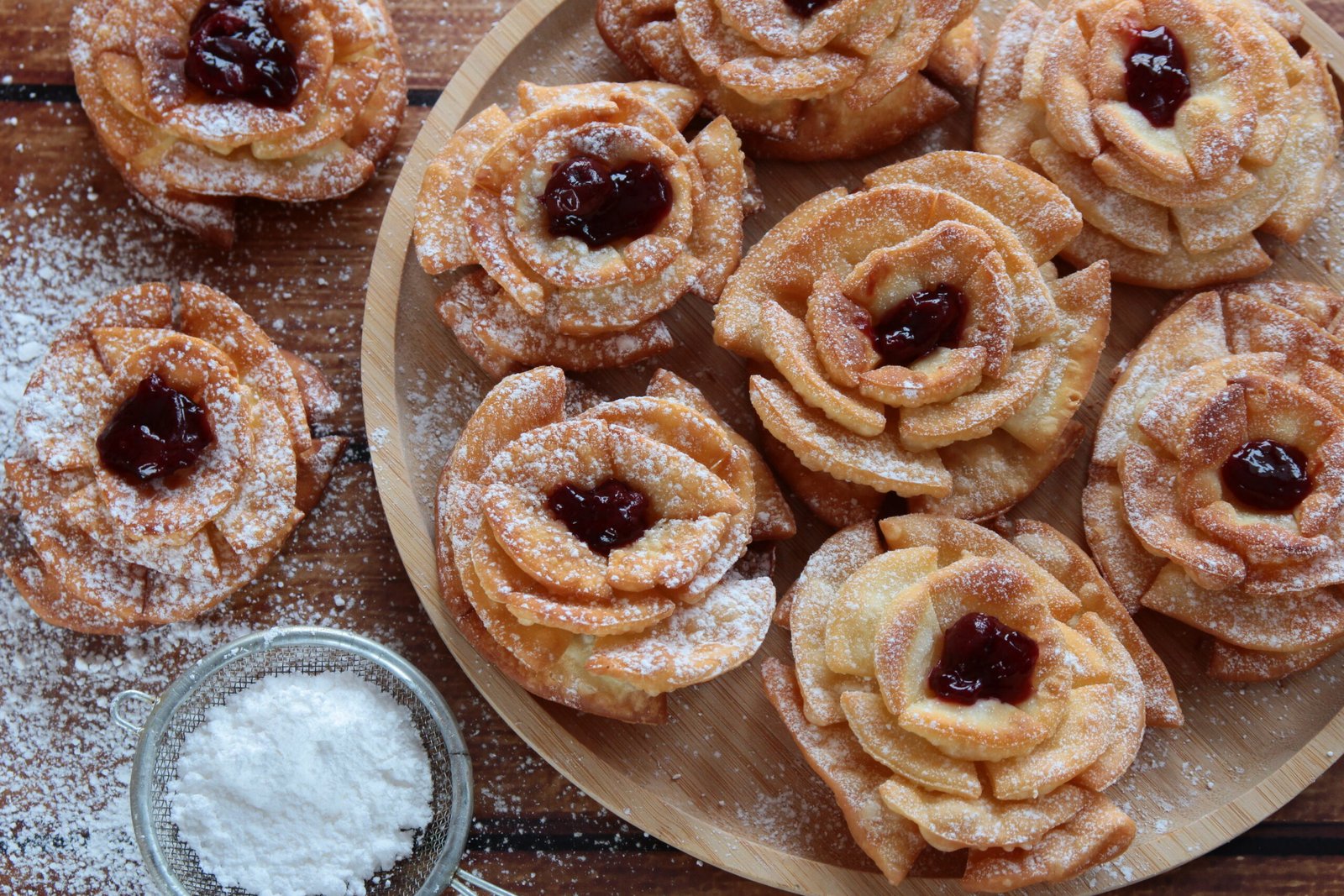
Carnival in Poland is a feast for the senses. On one hand, you can ramp up your adrenaline by riding a horse-drawn sleigh, a tradition dating back to the 16th century. On the other hand, you can eat some of the most exceptional food on the continent. Poles have long loved carnival, especially during its final days when a little overeating is totally acceptable. Ostatki, as it’s called, is when you can dress up in folkloric garments and indulge in the traditional cookies, that third (or fourth!) doughnut or that extra glass of beer. Eating doughnuts, paczki in Polish, can be traced back to the Middle Ages and is a key part of this time of year. Whether they’re filled with jelly, chocolate or just oozing over with frosting, they will satisfy even the biggest sweet tooth’s desire. With a belly full of paczki, the best next activity is a masquerade ball—another custom of this period As you twirl, masked behind a feathered visage, the excitement of this magical time will be palpable, and just as important, unforgettable.
5. Celebrating the Kurentovanje in Slovenia
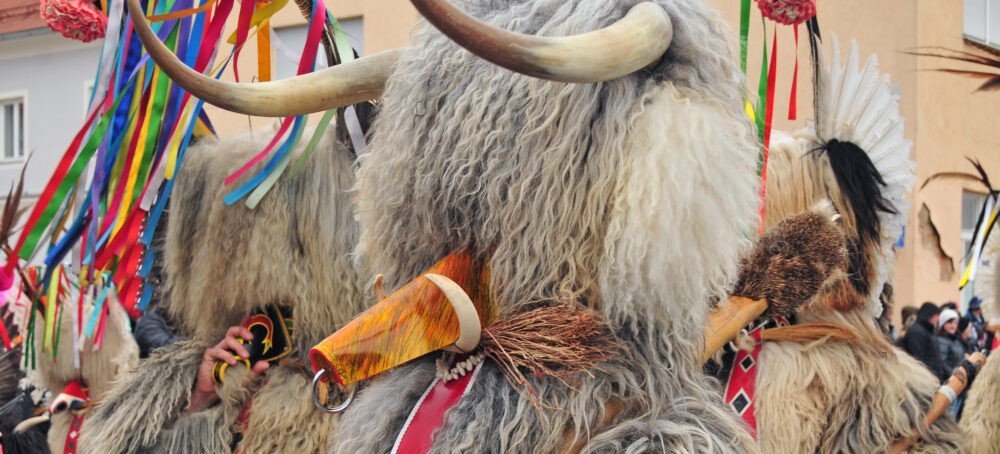
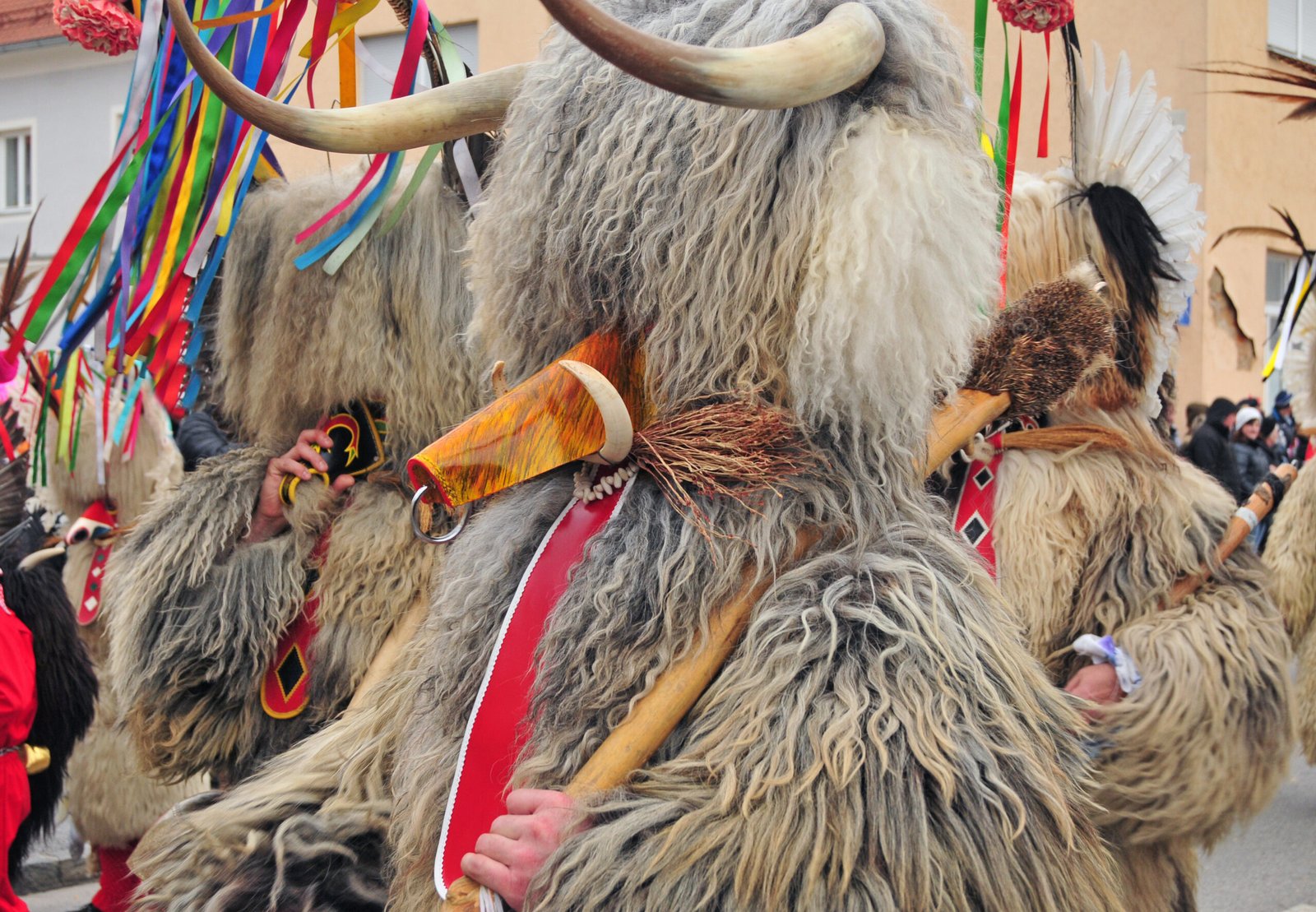
Slovenia’s Kurentovanje is a ritual celebrated behind masks, has been held for decades and centers around Kurent, a mythical being thought to have the power to chase away the winter and beckon in spring. Ptuj is exactly the sort of place you’d want to experience Kurentovanje. It’s the oldest recorded city in the country (it has been inhabited since the late Stone Age), and at this time of the year, it is home to wonderful celebrations. One focal point is the costumes. The main one is the Kurent’s, which consists of a sheepskin hat and tunic, cowbells dangling from a chain belt, red or green wool socks, and black boots. The mask is made of leather, with two holes cut out for the eyes, and a hole cut out for the mouth. In traditional times, only unmarried men could assume this personage, though today, it’s open to anyone—even animals! Once you’ve got your costume on, join the activities, which include concerts, parades, and special food. With one hundred and fifty thousand attendees, it will be a remarkably vibrant experience!
Taken from: https://visiteurope.com/en/experience/carnivals-in-europe/