



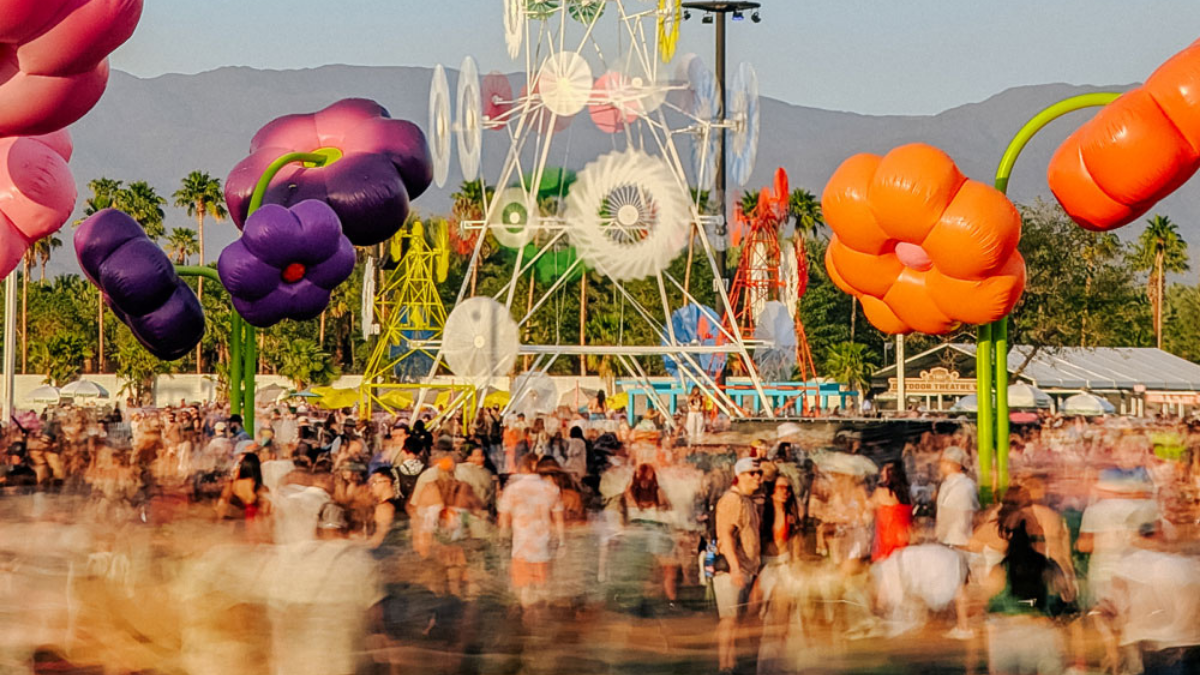
From bohemian maximalist to uniform
The Coachella Valley Music and Arts Festival isn’t just about music anymore.
For years, the festival had a very apparent aesthetic. Between 2010 and 2016, public figures, such as Vanessa Hudgens — christened the “Queen of Coachella” — established a clear fashion identity: bohemian maximalist, looks accessorized with capes, lace, fringe, and flower crowns, that turned each outfit into a statement piece. It was not just clothing, it was creating a personal narrative that reflected with the festival’s eccentric, artistic, and carefree spirit.
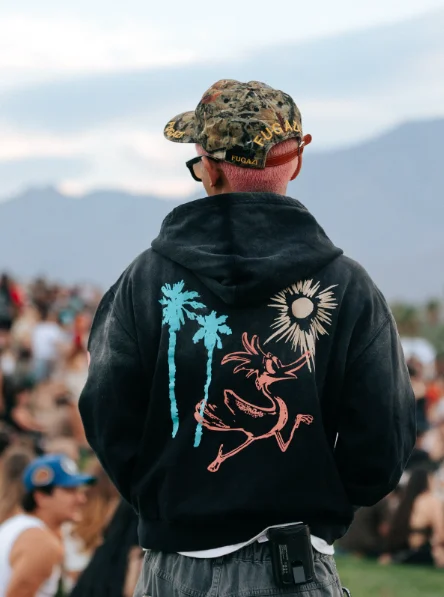
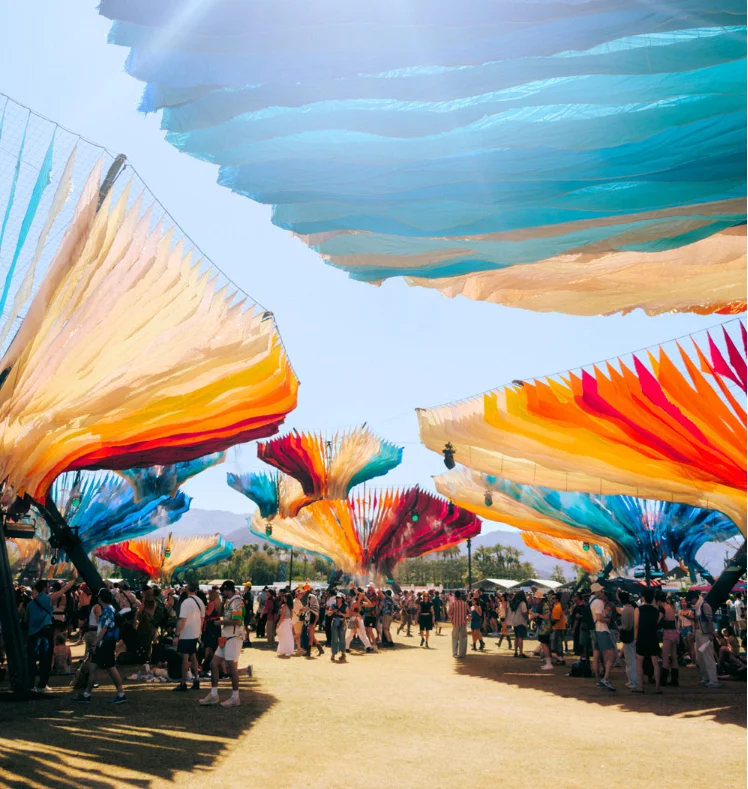
Today, Coachella has a much more contained aesthetic. The looks reflect current trends, such as minimalism or ‘clean aesthetics,’ where the natural, functional, and easy to replicate take center stage. This change is not accidental: it responds directly to the way we consume fashion. The aspiration no longer lies in the unattainable, but in what can be easily attained, adapted to everyday life, and will circulate on social media networks.
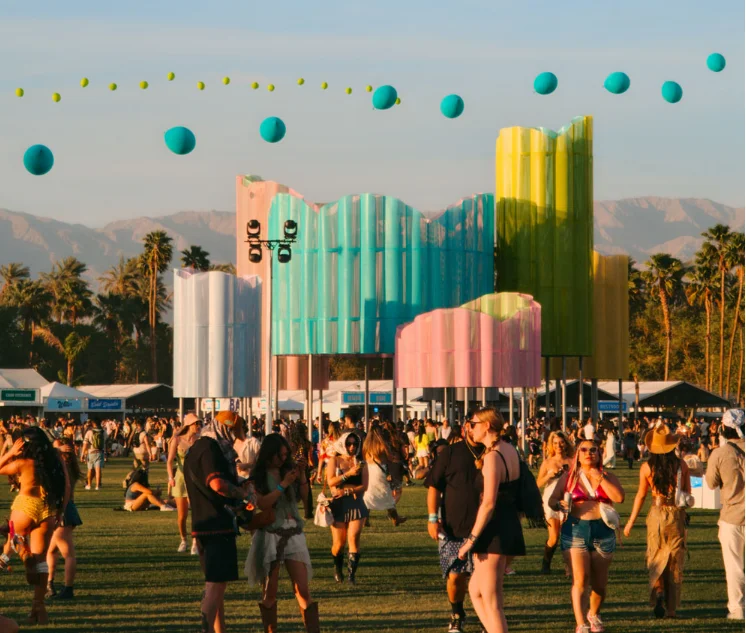
However, there is an interesting nuance. The boho aesthetic has not disappeared, it has just changed hands. While mainstream celebrities are betting on simple aesthetics, it is the content creators who are rescuing that original Coachella look, with fringe, cowboy boots, and exaggerated accessories, designed to generate visibility on platforms like TikTok and Instagram.
The question then, is not whether Coachella has lost its identity, but rather, whether its aesthetics have ceased to be a cultural expression, and have become a strategy for algorithm optimization.
Tomilli