



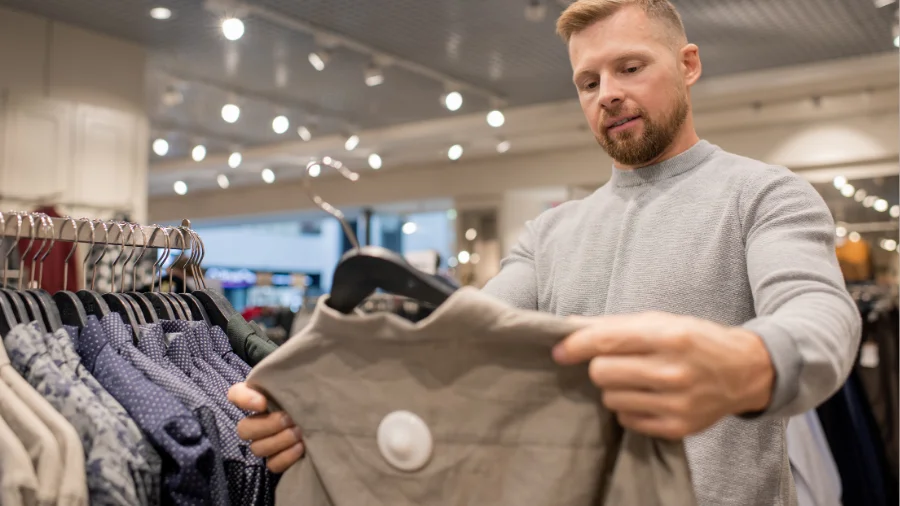
Faced with the environmental impact of fast fashion – an industry marked by overproduction and accelerated discarding – social networks are growing movements that invite us to reduce clothing consumption and to take advantage of what we already have.
Here are four trends that are redefining the relationship with clothing:
- Slow fashion
More than a trend, it is a direct response to impulsive consumption. It advocates for buying less garments, but rather, buying better quality clothing that will last longer. The idea is to move away from disposable fashion and wear clothes for longer.
- Underconsumption
On platforms like TikTok or Instagram, it has gone viral to show that you don’t need to buy constantly. Users share repeated outfits, small wardrobes, and more moderate consumption habits. - The Second-hand Boom
The resale market is no longer just a marginal alternative. More and more people are shopping in vintage stores, fairs, or via resale applications, extending the shelf life of garments and reducing textile waste. - DIY and re-use
The “do-it-yourself” movement has also become popular: transforming old clothes, fixing them, or customizing them has become viral, creative content
The interesting thing is not the trend, but what it reflects as a whole: a change in mentality. Going from impulse consumption to conscientious consumption.