



Automation and artificial intelligence are transforming how we work, but they are not always to our favor, as they can also have hidden costs.
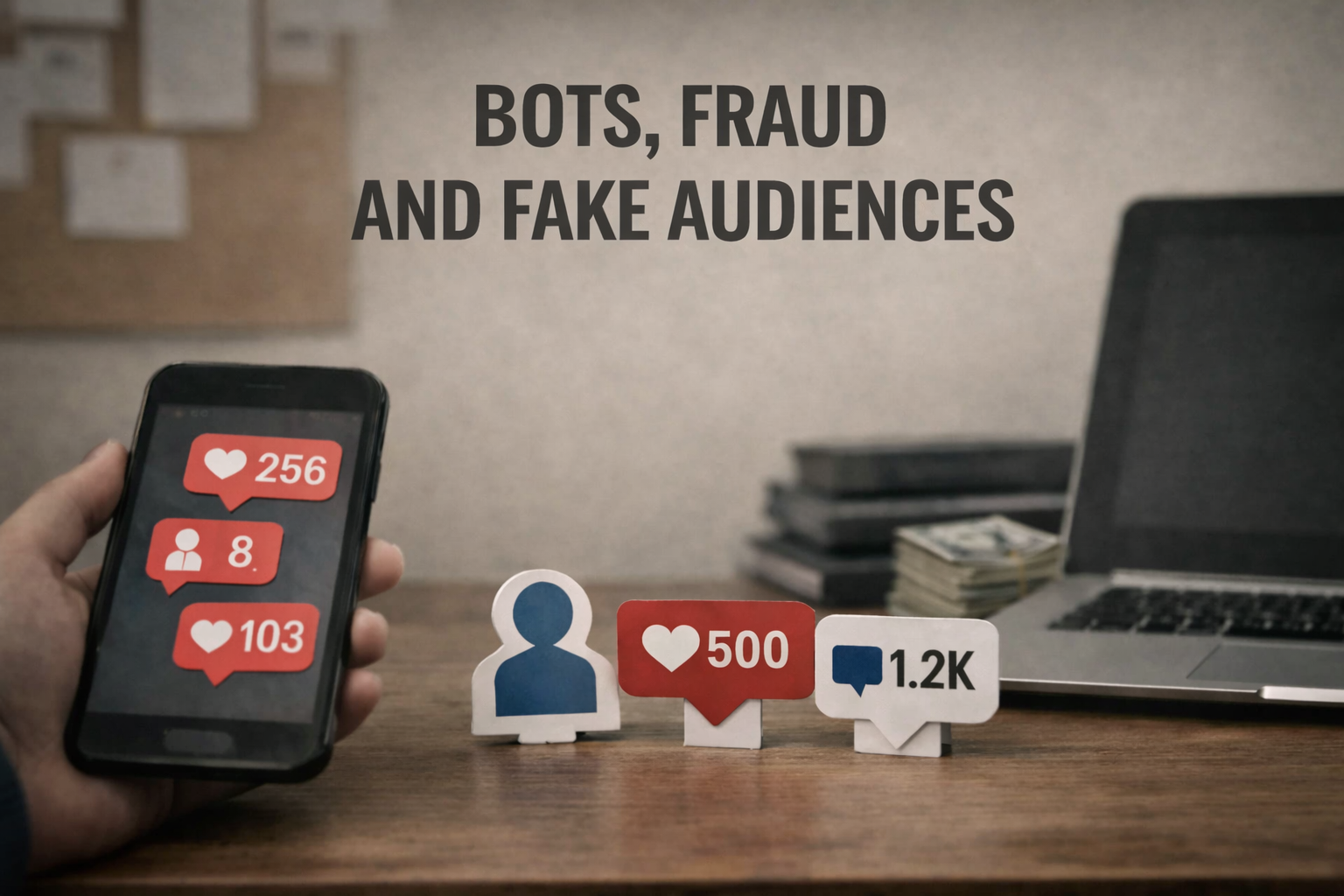
For example, bots have become a collective concern. These automated programs are designed to simulate human behavior and perform ad fraud. However, the solution is not to buy audiences; which jeopardizes advertising on social media networks. These automated accounts impersonate real users, distort interaction metrics, manipulate public opinion and divert advertising investment towards traffic that does not represent real consumers.
But, how much money do brands really lose from bots in digital advertising?
According to Juniper Research, a UK market research firm, more than 22% of global digital ad expenditure was lost to ad fraud in 2023, amounting to about $84 billion in losses.
On the other hand, a 2025 annual report by Imperva, a cybersecurity company, says automated threats are increasing at an unprecedented rate, with bots accounting for 37% of total Internet traffic. Automated traffic has now surpassed human activity, accounting for 51% of web traffic.
The problem is not limited to inflated figures. In the digital marketing ecosystem, many strategic decisions are made based on metrics such as impressions, clicks, engagements, views or conversions. When bots intervene in these indicators, brands may believe that their campaigns are performing better than they really are, which can result in them investing more of their budget into channels or audiences that do not exist, resulting in a disappointing return on their campaign’s “success.”
This scenario has begun to call into question one of the pillars of digital marketing from over the last decade: audience buying.
For years, buying audiences was one of the great promises of digital advertising. Brands could segment users based on interests, behaviors, demographics and reach, in theory, the right people, because “the screening work” was already done. However, this model began to show cracks.
According to a study by Gartner, global research and technology consulting company, “the depreciation of third-party cookies is causing data sources to disappear, and many marketers are still struggling to strengthen their own data strategy.” In this new scenario, brands are prioritizing building their new audiences instead of relying on external data.
How are brands verifying whether their audiences are real?
Now that organizations decide to build their own audiences instead of relying on external data, they look for tools and technologies that help them avoid bots or buy audiences because they believe in the need to ensure that the metrics guiding their decisions reflect real behaviors rather than artificial interactions.
Today more than ever, campaign results are the center of marketing, therefore, they must be consistent with investments made. For this reason, many organizations opt for a more critical, responsible, and committed stance toward their digital audiences and begin to wonder whether the people who interact with their ads are really potential consumers or simply automated traffic.
In the new attention economy, the real competitive advantage will not only be to capture audiences, but to build real, verifiable audiences.
Sources:
- Juniper Research – Online Advertising Fraud Report
https://searchengineland.com/84-billion-lost-to-ad-fraud-what-you-missed-about-affiliate-abuse-in-2025-456530 - Imperva – Bad Bot Report
https://cpl.thalesgroup.com/ppc/application-security/bad-bot-report - Gartner – Marketing Data Survey
https://www.gartner.com/en/newsroom/press-releases/2023-03-22-gartner-survey-finds-sixty-percent-of-marketing-leaders-believe-collecting-customer-data-while-balancing-privacy-and-customer-value-will-be-more-challenging-in-2023
Redaction: Gabriela Carmona Rivera
Tomilli