



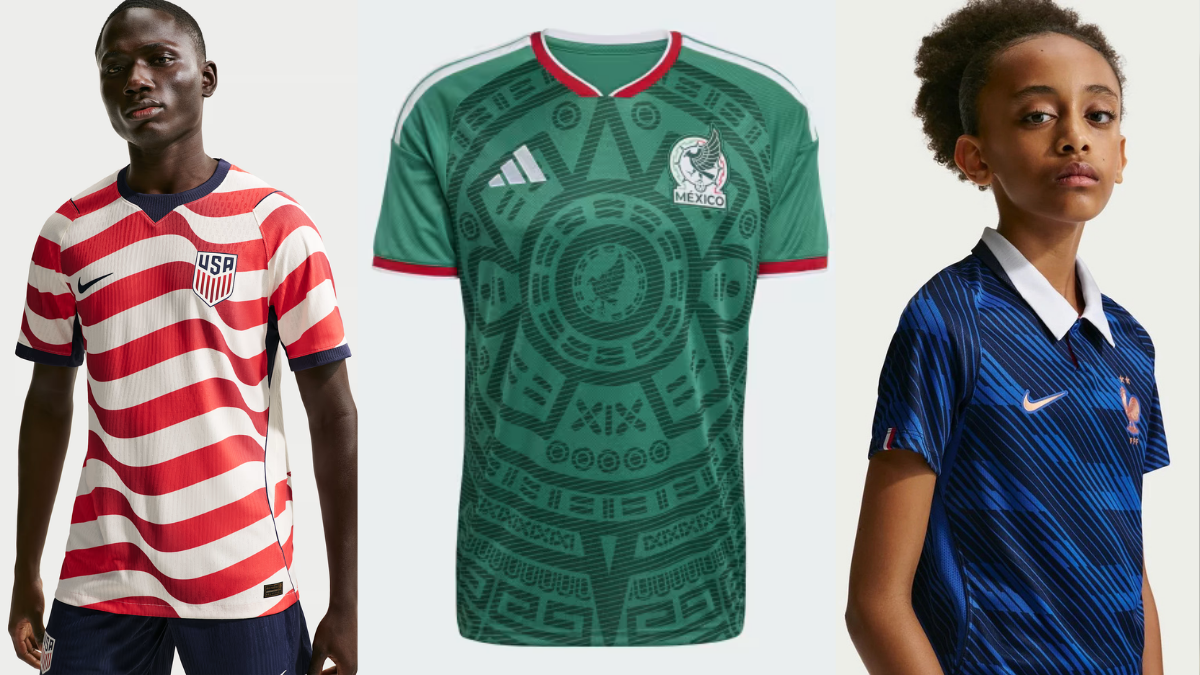
Soccer teams aren’t the only ones competing at the World Cup, so are the sports brands and design teams responsible for the countries’ jerseys.
Far from just a uniform, jerseys have become branding pieces. In this year’s edition of the World Cup, some teams managed to stand out for the way their jerseys’ interpret their national identity, while others divided opinions.
The jerseys that scored
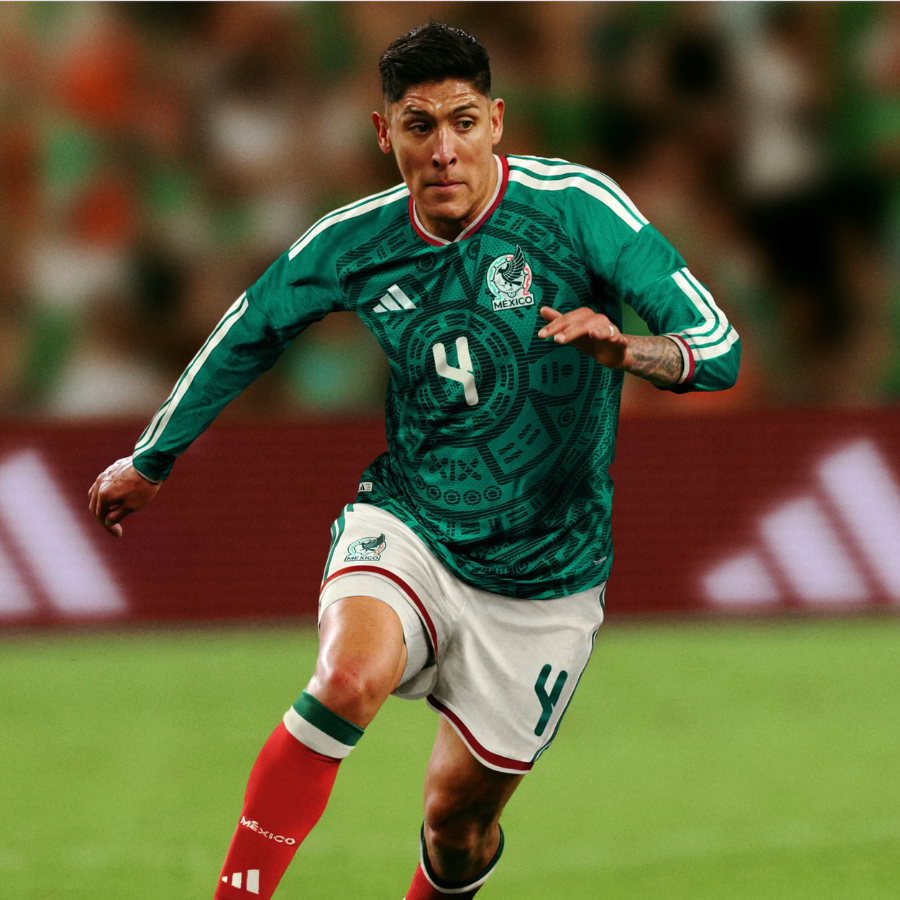
Mexico
Designed by Adidas, Mexico’s jersey is inspired by the geometric patterns seen in Aztec temples, textiles and ancestral constructions. Beyond their symbolic value, the pattern provides identity without oversaturating the garment, achieving a perfect balance between tradition and contemporary design.
Japan
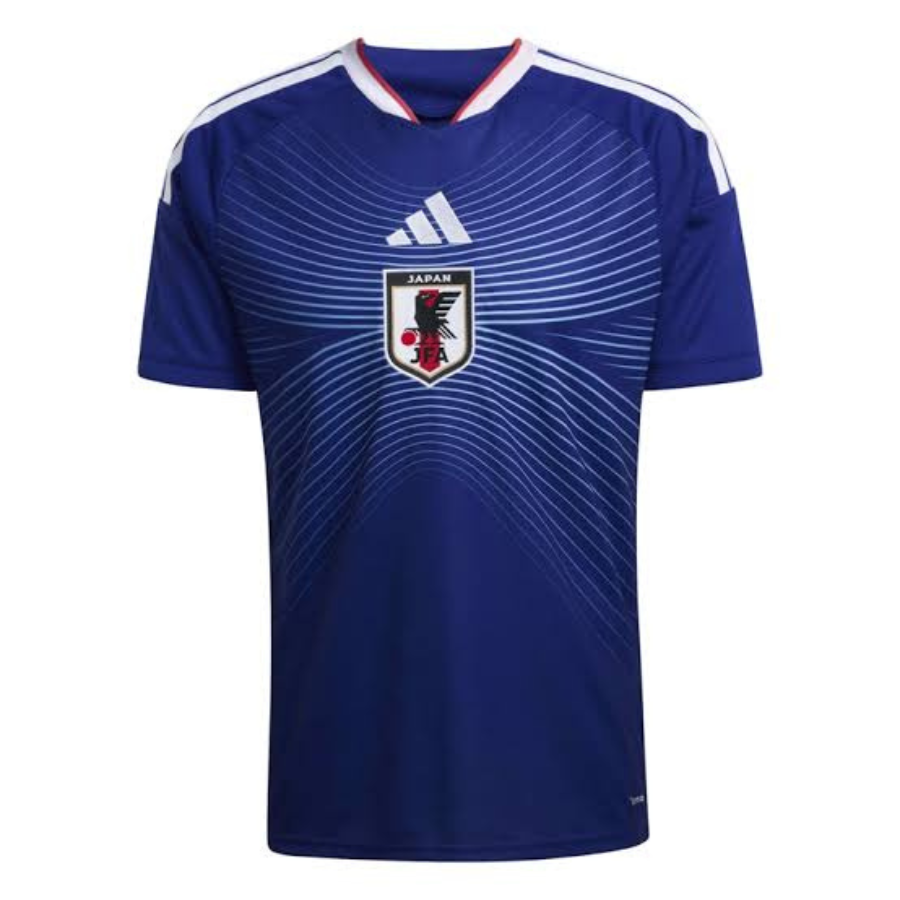
Designed by Adidas, the jersey reflects Japan’s minimalist preferences. The blue jerseys incorporate subtle patterns inspired by landscapes and graphic elements typical of Japanese culture. The combination of blue hues, composition and cultural references achieves an elegant proposal that is consistent with the image that Japan has built over the past few years.
France
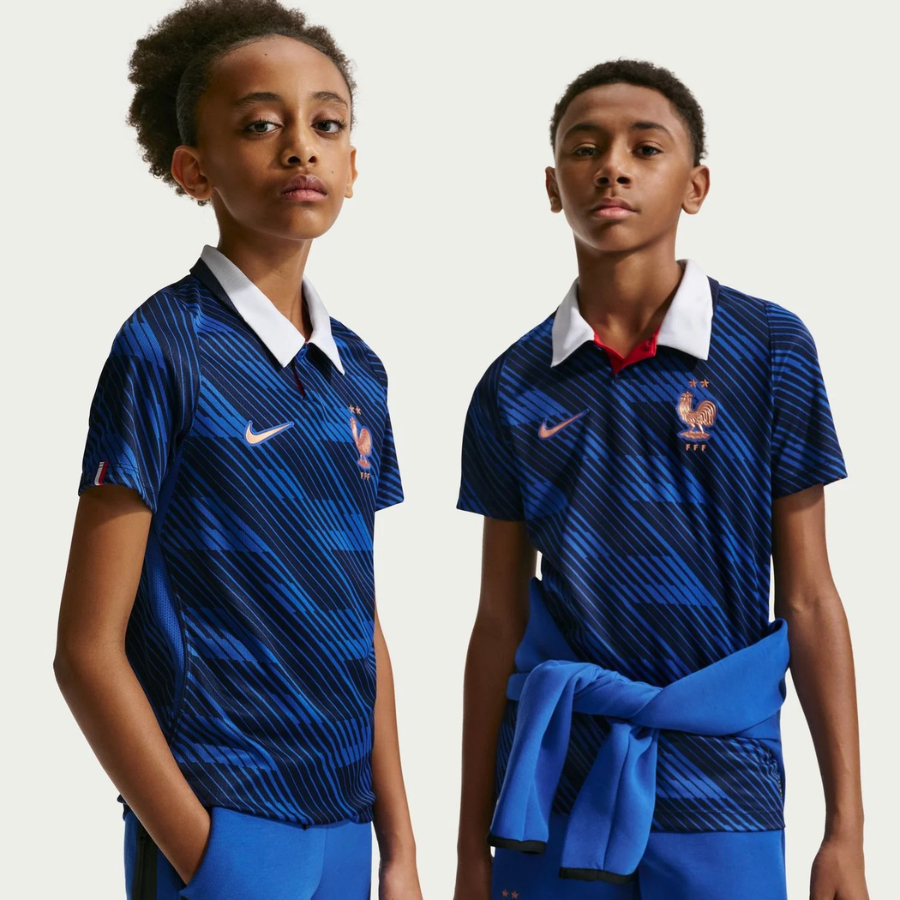
Nike designed the French jersey under the leadership of Phil McCartney, the company’s Chief Innovation, Design and Product Officer. The result was a deep blue jersey with details that generate a sense of sophistication without losing the essence of the traditional French jersey. The result conveys a refined identity where national symbolism coexists with a contemporary aesthetic.
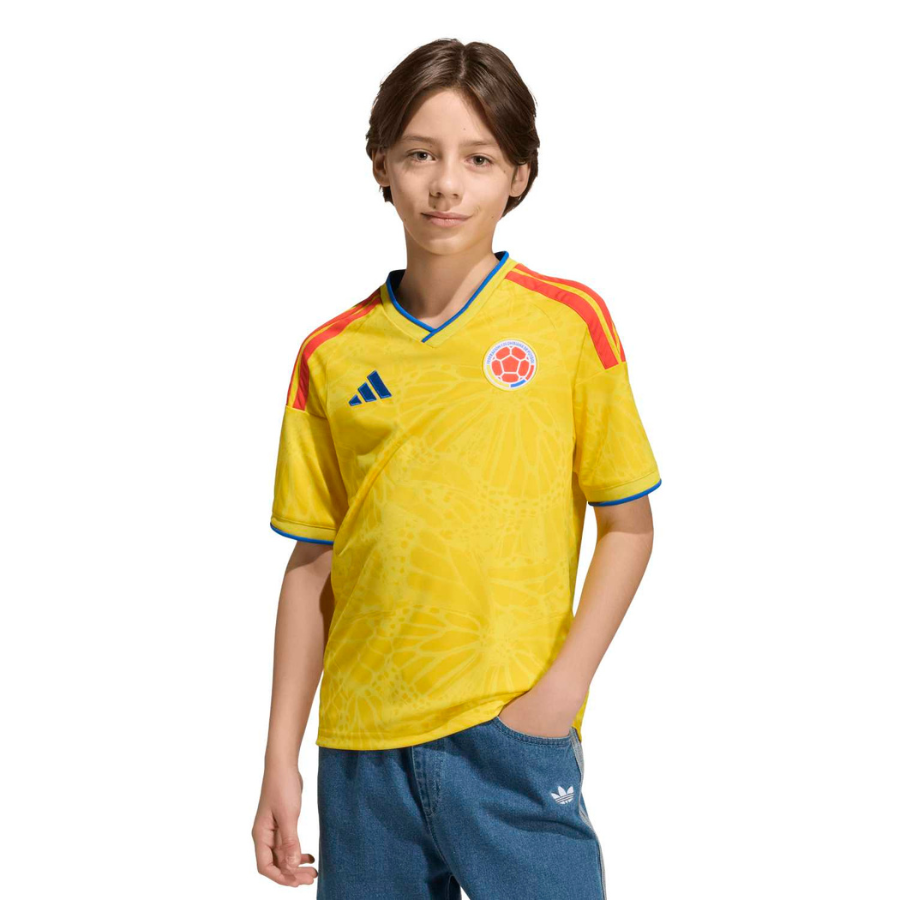
Colombia
Adidas decided to stick with the traditional yellow, blue and red colors of the Colombian flag. In this case, the strength of the design does not depend on complex patterns. The chromatic palette itself builds a recognizable visual identity that transmits intensity and maintains the prominence of the team’s logo.
The Jerseys that Divided Public Opinion
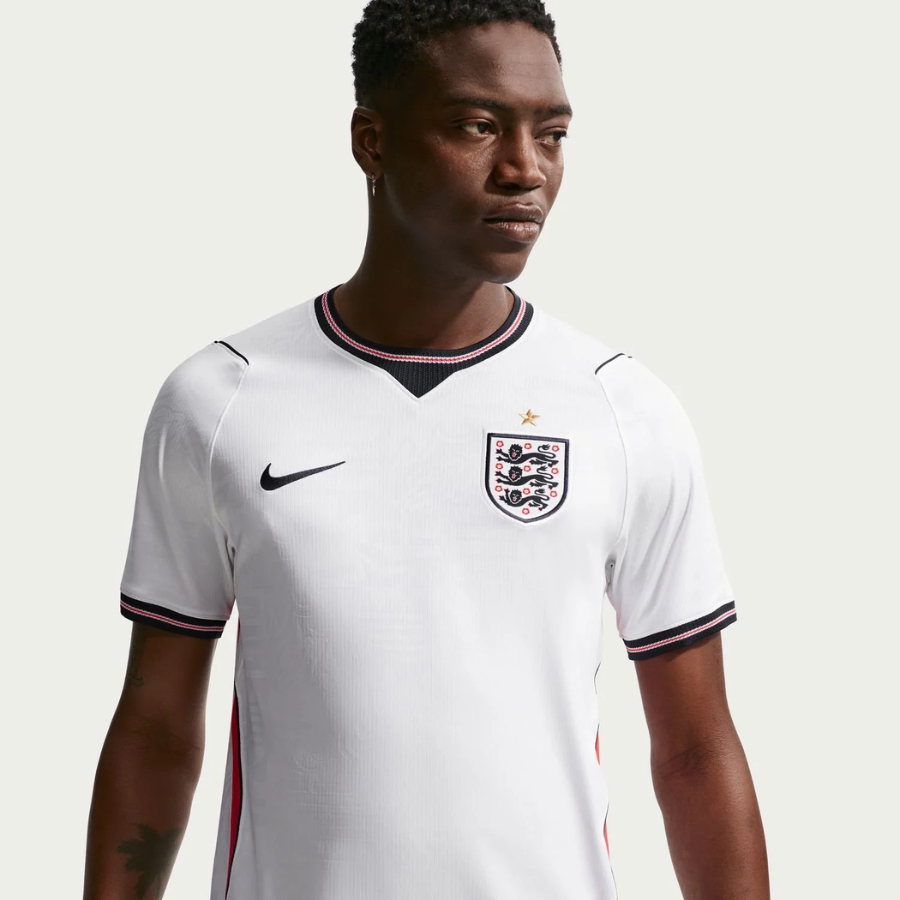
United Kingdom
Nike opted for historical essence with a minimalist proposal inspired by classic uniforms. Although the visual cleanliness reinforces the elegance of the design, the absence of textures or graphic resources makes the shirt a bit more discreet compared to other teams.
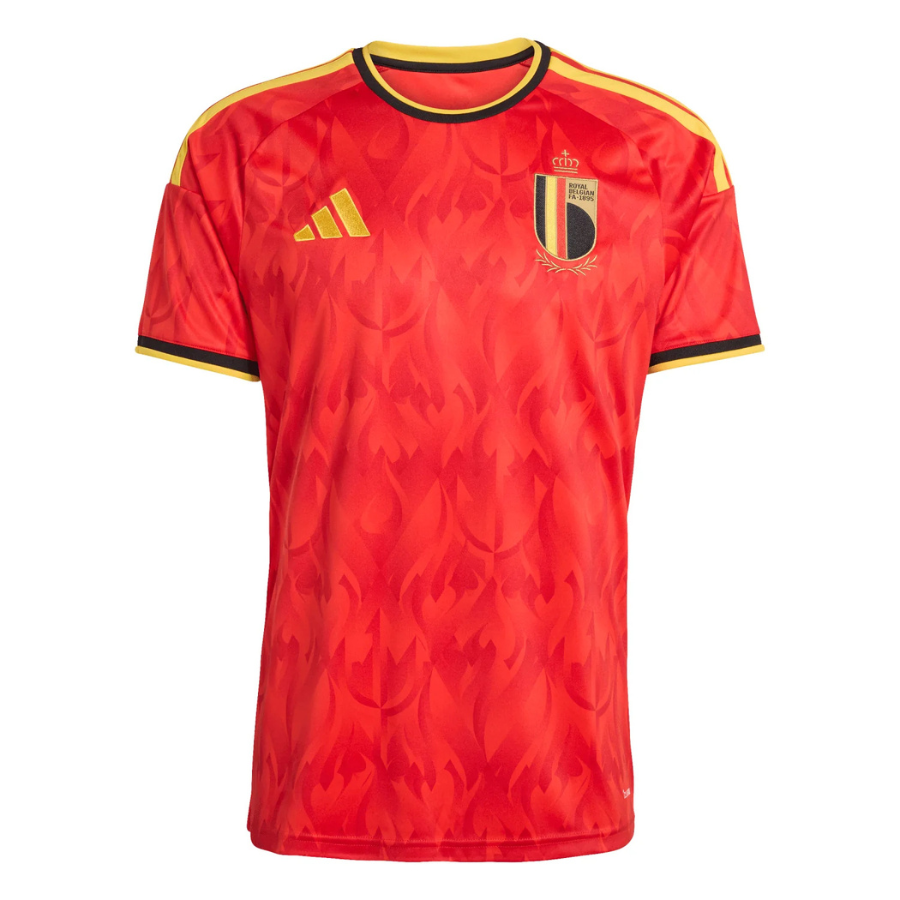
Belgium
Adidas developed a proposal based on diagonals and geometric blocks that seek to convey speed and competitive aggression. However, some feel the amount of visual elements generates multiple simultaneous points of attention, reducing the clarity of the composition.

Switzerland
PUMA designed a red and white jersey that reflects the attributes associated with the country: precision and order. The result maintains a coherent identity with Switzerland, although it incorporates few differentiating elements.
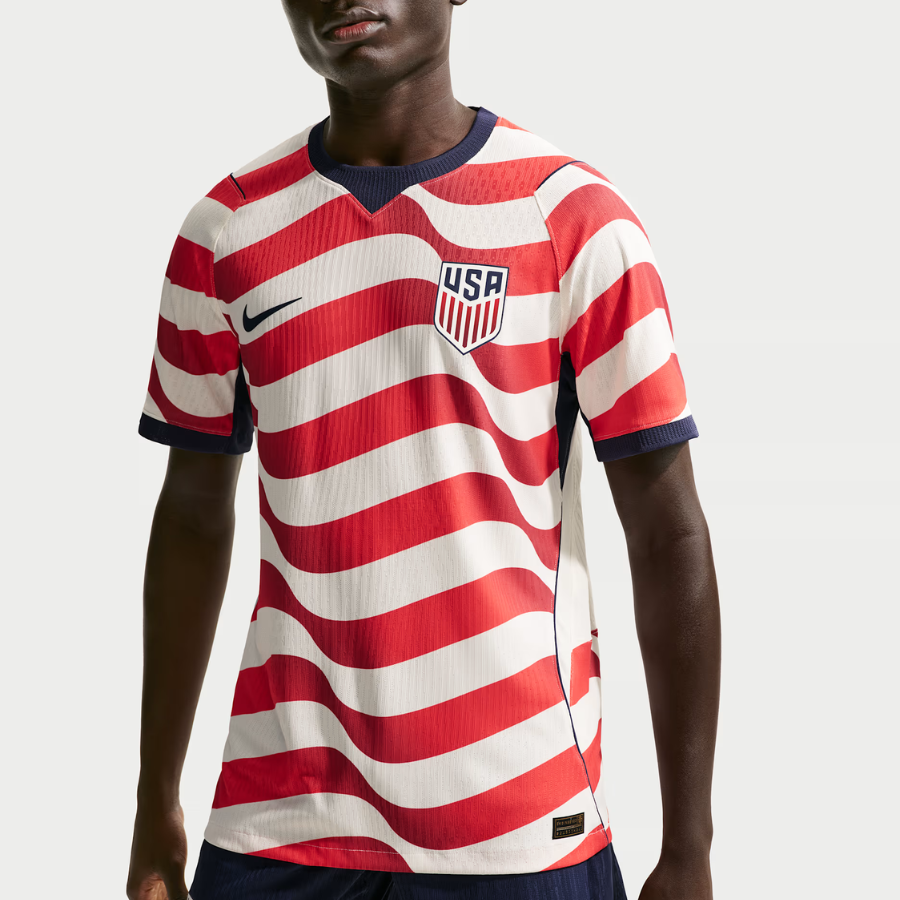
United States
Nike designed a jersey boldy bears the stripes of the country’s flag. The proposal works as a sportswear or streetwear garment, however, the visual is perhaps a bit too bold.
Beyond sports performance, the World Cup also functions as one of the largest designer showcases on the planet. Each jersey represents a decision on how a country wants to be perceived by millions of people.
The most memorable proposals are not always the most innovative. In many cases, they are those that manage to translate the history, culture and identity of a nation into a balanced way, in which fans will don the jersey long after the tournament is over.
Sources: Adidas, Nike, PUMA and the FIFA Store.