



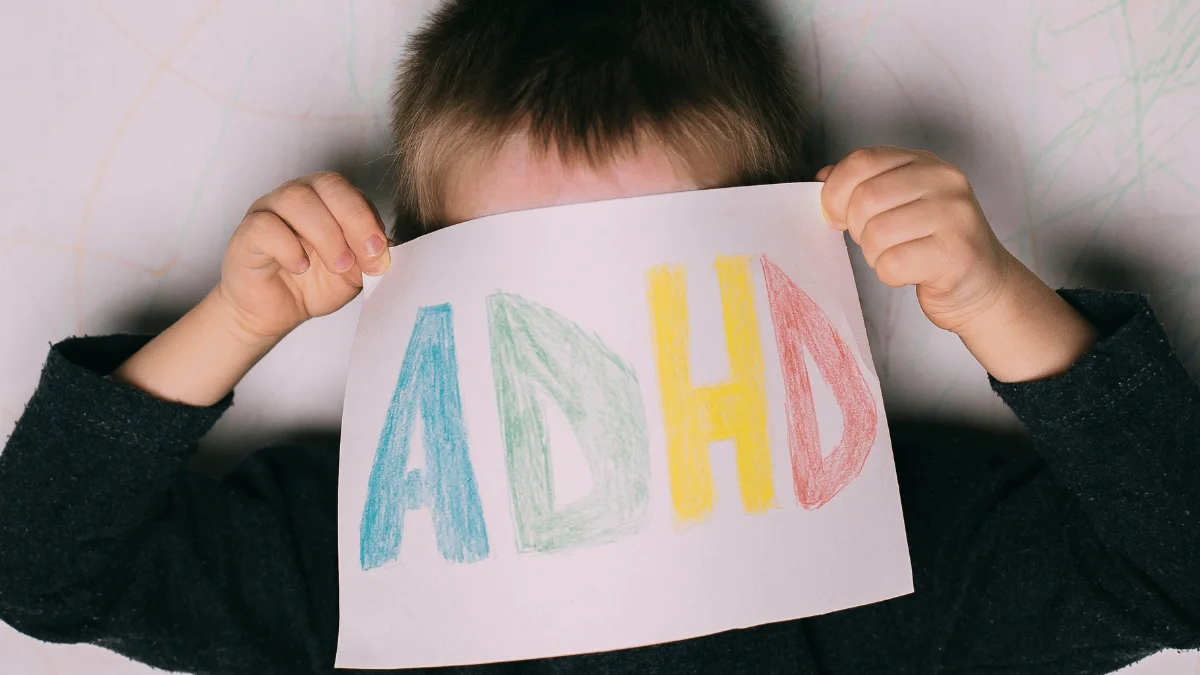
Early diagnosis of autism spectrum disorder (ASD) and Attention Deficit Hyperactivity Disorder (ADHD) continue to be challenges. In many cases, evaluations require months of observation, clinical interviews and the participation of different specialists, which can delay access to timely interventions. Artificial Intelligence is being explored as a tool to support early detection processes.
At just 17-years-old, Edward Kang, a student at the Bergen County Academies (United States), developed RetinaMind, an artificial intelligence system designed to analyze
photos of the retina and identify patterns associated with Autism Spectrum Disorder (ASD) and Attention Deficit Hyperactivity Disorder (ADHD). Kang’s project won second place at the Regeneron Science Talent Search 2026, one of the most prestigious scientific competitions for students in the United States, a recognition that came with $175,000 dollars in prize winnings.
Kang’s research began after he read a study describing how the retina and brain share the same embryonic origin. Based on this relationship, some researchers have suggested that certain alterations in brain development could be reflected in subtle changes in the retina, imperceptible to the human eye, but potentially identifiable by deep learning models.
To explore this hypothesis, Kang trained RetinaMind with thousands of retinal images and developed a model that achieved a close to 89% accuracy based on the dataset used for his tests. Although the tool is not a substitute for a medical diagnosis and is not intended for clinical diagnoses, it could become a rapid, non-invasive method to support early detection and help identify individuals requiring specialized evaluation.
The diagnosis of ASD and ADHD continues to be based on clinical evaluations by health professionals, however, tools like RetinaMind complement this process with automated image analysis aimed at facilitating initial screening and prioritizing the care of patients who could benefit from a deeper assessment.
Beyond the results obtained so far, the project reflects how artificial intelligence continues to expand the possibilities of medical research. Although technologies such as RetinaMind still require additional clinical trials before they can be incorporated into formal medical practices, they demonstrate the potential for combining ophthalmology, neuroscience and artificial intelligence to develop tools that support early detection of neurodevelopmental disorders.
Sources: Society for Science (Regeneron Science Talent Search 2026) and public presentation of the project RetinaMind


