



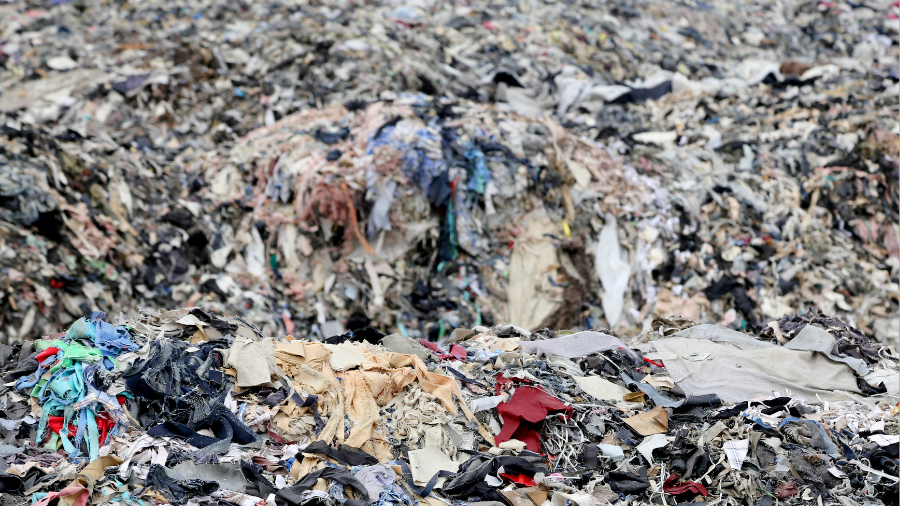
The Atacama RE-commerce campaign is an initiative that promotes the commercialization of clothing discarded and abandoned in the Atacama Desert.
The Atacama Desert is one of the most spectacular tourist destinations in Chile; however, it has unfortunately become the world’s largest textile landfill. This is not the result of locals throwing their old clothes there; but rather due to a situation that put the current clothing consumption model into question.
Chile is the largest importer of second-hand clothing in Latin America. Every year, around 60,000 tons of second-hand clothing arrive at the Port of Iquique. However, not everything is “sold”; the importers select the best items to re-sell, and what is left over, (almost 60%) is left in clandestine landfills.
This phenomenon is linked to fast fashion, a business model in which clothing is mass-produced, at a low cost, to stay up-to-date on current trends. The problem is that this results in a textile industry that promotes constant purchases and rapid disposal of clothing, resulting in clothing landfills.
Atacama is a 1,600 km arid plateau in northern Chile; considered the driest non-polar desert in the world. When unwanted non-biodegradable garments are left there, they remain polluting the terrain for long periods of time. Many of these garments release chemicals such as lead, chromium, and other metals that remain in the soil ground for decades. In addition, these landfills also result in constant fires due to the materials being exposed to high temperatures, exposing nearby communities to toxic gases.
The Atacama RE-commerce campaign counters the environmental impact clothing produces by not biodegrading; by retrieving it, cleaning it and providing a second life to these garments. For this reason, Atacama RE-commerce proposes an alternative to traditional consumption: “Repurpose, not sell”. The campaign set up an online store where the value of each garment is basically symbolic. These garments are retrieved from the desert, sanitized, and put back into circulation. By shopping on this website, you are paying to take “trash” out of the desert, and you are giving the garment a second life, instead of buying something new and contributing to the fast fashion problem.
Finally, this initiative promotes an opportunity for those who want original, well-maintained, brandname items; while helping to protect the desert and minimize fast fashion.
Source: LIA Awards
Tomilli provides global content about trends, innovation, and marketing.


