



The healthcare industry is undergoing a structural transformation driven by artificial intelligence, decentralized care, and the integrated use of clinical data. However, incorporating new technologies alone does not guarantee real innovation: The impact depends on their ability to respond to real needs, improve patient outcomes and generate sustainable value for the entire healthcare system.
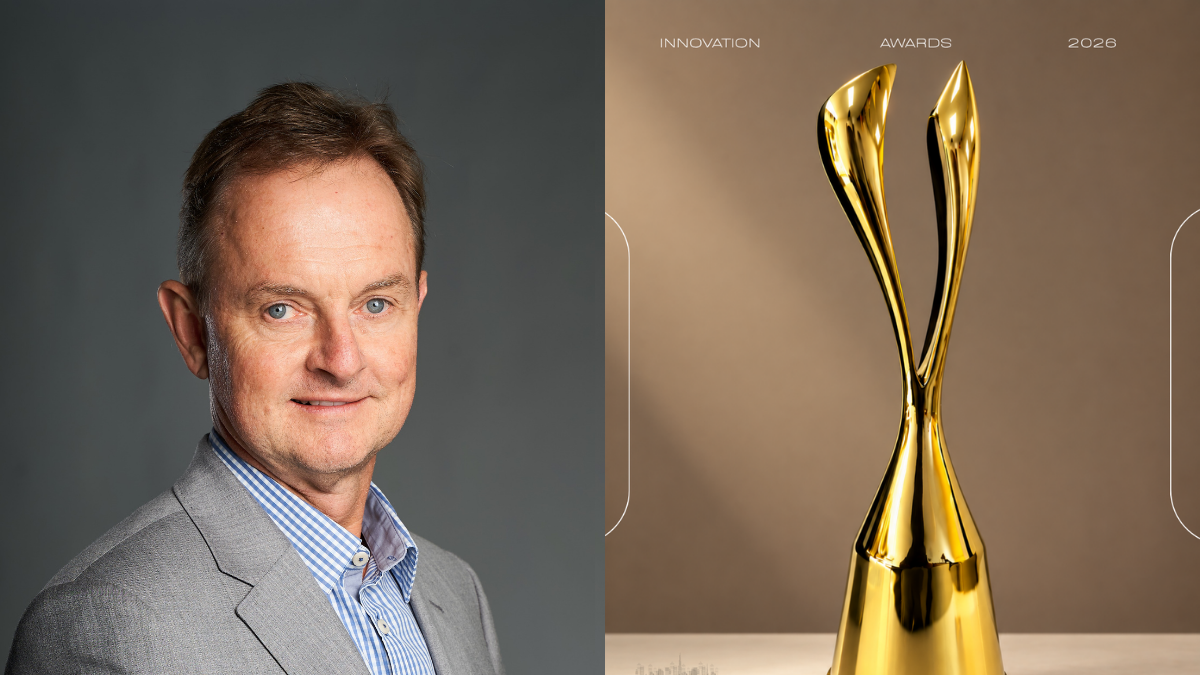
In a conversation with Tomilli, Dr Glen Hagemann, a Tomilli Summit Dubai 2026 judge, analyzes the innovations redefining healthcare, the criteria a solution must meet to produce a tangible impact, and the advancement of precision health enabled by artificial intelligence.
The Technologies Transforming Healthcare
Artificial intelligence, connected care models, and precision health are changing the way diseases are prevented, diagnosed, and treated. For Hagemann, the true potential of these innovations will be determined by their ability to improve clinical outcomes, expand access, and respond to growing pressure on health systems.
What do you consider to be the innovations currently transforming the healthcare industry, and why do you believe they will have a significant impact over the coming years?
Hagemann: Healthcare is moving through a period of structural change rather than incremental improvement. Three areas in particular have the potential to reshape how care is delivered.
First, AI-enabled clinical care and automation are moving from isolated applications towards tools that support documentation, diagnostics, imaging, triage and clinical decision-making. Their greatest near-term value is not replacing clinicians, but augmenting their expertise, reducing administrative burden and helping healthcare systems respond to growing demand and workforce pressures.
Second, connected and decentralised care is shifting healthcare beyond traditional facilities. Remote monitoring, medical-grade wearables, telehealth and hospital-at-home models can enable more continuous care, particularly for people living with chronic disease and ageing populations.
Third, precision health is bringing together genomics, biomarkers, clinical information and longitudinal health data to identify risk earlier and personalise prevention and treatment.
Underlying all of these is the ability to connect and use health data effectively. The greatest impact will come not from technology alone, but from innovations that improve clinical outcomes, expand access and capacity, and can be implemented responsibly and at scale.
Innovation also means building trust
Beyond the technology, a healthcare solution must respond to a specific clinical need and be effectively integrated into the patient experience. Validation, security, privacy and human oversight are key elements for innovation to be responsibly implemented and grow without generating greater system fragmentation.
Beyond incorporating technology, what characteristics should a truly innovative healthcare solution have to create a real impact on patients, healthcare professionals, and the healthcare system?
Hagemann: Technology is a facilitator, not the innovation itself. A healthcare solution should ultimately be judged by whether it improves outcomes that matter to patients, improves the experience of patients and healthcare professionals, and does so in a sustainable way.
For me, several characteristics are essential. Innovation must solve a genuine clinical or system need; demonstrate measurable outcomes; integrate into the patient journey rather than create further fragmentation; and be scalable, accessible and economically sustainable.
It should also align the interests of patients, clinicians, providers and funders around a common objective: keeping people healthier and achieving better outcomes rather than simply increasing healthcare activity.
Finally, trust is fundamental. Clinical validation, patient safety, privacy, transparency and appropriate human oversight cannot be secondary considerations. The most successful healthcare innovations will combine clinical excellence with sustainability and create value across the healthcare system.
From Reacting to Anticipating
The convergence between artificial intelligence, clinical data, connected devices, biomarkers and genomics opens the door to more preventive and personalized care. This approach allows us to better understand each person’s health path and intervene before a condition progresses.
Based on your experience, which trend or development in Health Innovation do you expect to grow most significantly in 2026, and what opportunities does it represent for companies and organizations in the sector?
Hagemann: I expect AI-enabled precision health to accelerate significantly. This represents a shift from episodic healthcare, where we largely respond once illness develops, towards understanding risk earlier, intervening sooner and helping people remain healthier for longer.
What makes this increasingly possible is the convergence of different sources of health information. Wearables and connected devices can provide continuous information on activity, sleep, cardiovascular health, glucose regulation and recovery. Clinical records, imaging and laboratory data provide additional context, while genomics and other molecular technologies are giving us deeper insight into individual biology.
The opportunity for AI is to bring these different sources together and translate complex information into clinically meaningful action. Rather than relying solely on population averages and occasional measurements, we can begin to understand an individual’s health trajectory and potentially recognise changes earlier.
Importantly, the intervention does not always need to be technological or pharmaceutical. It may be exercise, nutrition, sleep, weight management or another behavioural change. Technology can help make those interventions more personalised, measurable and adaptive.
For healthcare organisations, the opportunity is therefore much broader than developing or adopting another device or application. It is about building connected ecosystems that combine data, clinical expertise and evidence-based interventions to deliver more proactive, personalised and preventive care.
Innovation with a Real Impact
Dr Glen Hagemann’s vision marks an essential distinction for the industry’s future: Healthcare innovation is not just about developing more devices or applications, but about building connected, reliable and scalable solutions that keep people healthy longer.
As a jury member of the Tomilli Summit Dubai 2026, Hagemann will be part of a select group of leaders that will be evaluating initiatives and their impact on their industries and society.
Companies, organizations, startups, and innovative teams can register their company, campaign, project, or innovation case on tomillisummit.com.


