



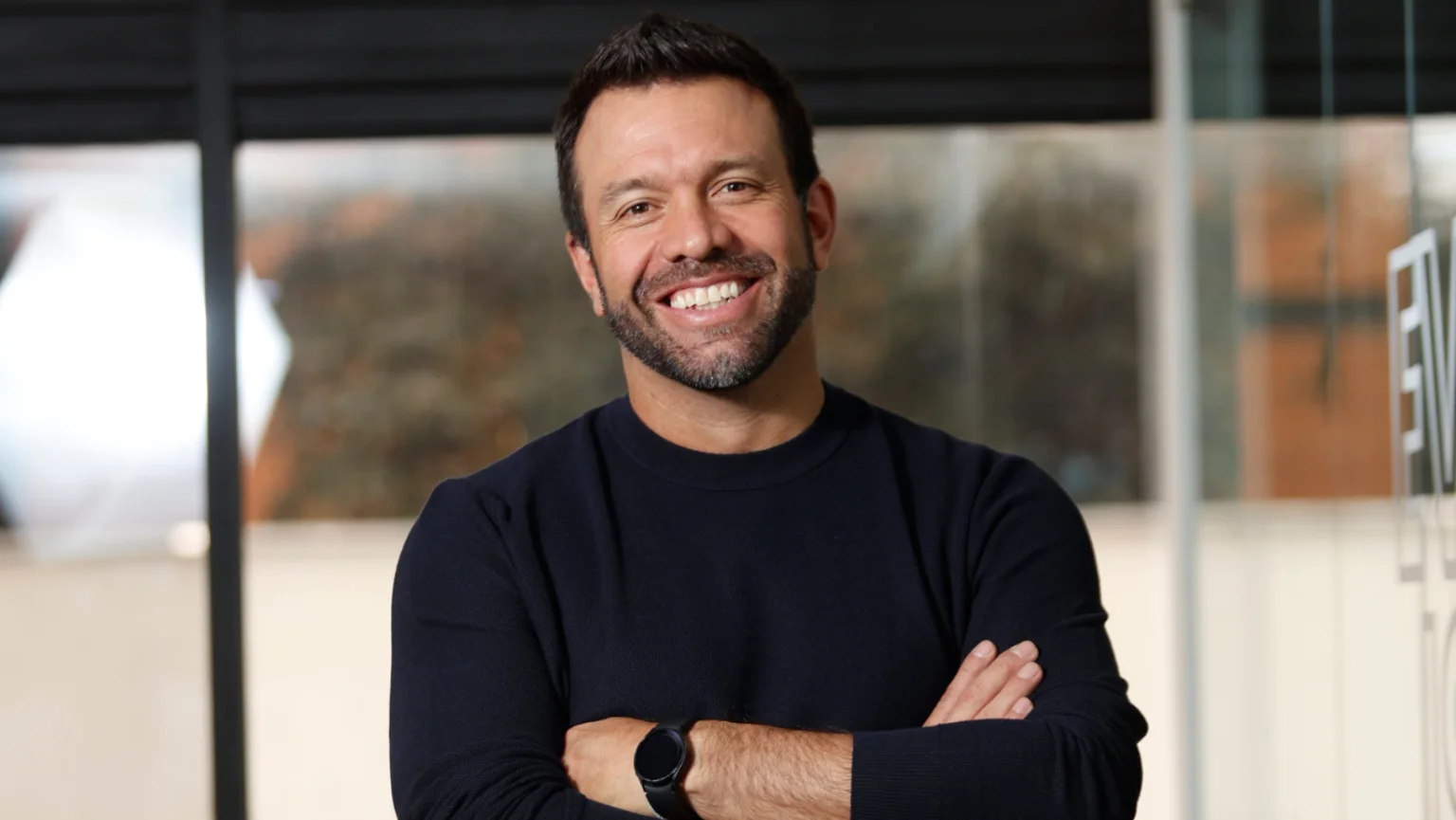
Héctor Orozco started at McDonald’s when he was just 14 years old. He moved up the corporate ladder, holding 17 different positions within the company and becoming, CEO of McDonald’s Colombia, Aruba, Curazao and Trinidad, at just 38 years old. Three and a half decades later, Orozco decided to close that chapter of his professional life and start a new one as an independent consultant.
Orozco’s career has been shaped by constant learning, curiosity and, particularly, a transformation in the way he understands leadership. Tomilli sat down with Orozco to get his thoughts.
Why go independent after so many years and after becoming CEO?
Héctor loved working in the corporate world. He enjoyed teaching, leading teams and solving problems. However, after more than 30 years of intensive work, he felt that the time had come to make up for lost time with his family.
He decided to become an independent consultant, however, days began to pass without him receiving a single call.
For someone accustomed to the accelerated pace of a large corporation, the slow pace was difficult. That’s when he realized that, perhaps, before starting something new, he needed to fully stop.
He embarked on a month-long trip to Europe with his family. And as he began to break away from the corporate routine, the first calls started to come in.
Since then, Orozco worked with brands such as Popsy, Totto and Parmesano. He currently advises three foundations, and gives lectures. He has served on the jury for the Effie Awards, and will soon be part of the jury for the Tomilli Summit.
After more than three decades accompanying organizations, what has been the biggest transformation Hector has seen?
After 35 years in one of the most recognized companies in the world, Héctor says that the most important transformations he has witnessed have not been technological, but human: leadership.
“The most profound transformation is leadership. Today’s CEOs are from previous generations who did not make mistakes, who never failed.”
For him, one of the fundamental differences between a leader and a boss is in the ability to recognize mistakes. And he believes that developing those leadership skills continues to be one of the biggest challenges within organizations.
Héctor defines leadership as being a service leader: someone willing to help, but aware that leading does not mean solving everything.
What made Hector understand leadership in that way?
Héctor recalls that, when he was appointed CEO at age 38, he had been with the company for 25 years. He knew the business inside and out and, precisely for that reason, he assumed the role convinced that he knew what needed to be done.
“In the first six months, I told everyone what they had to do, how they had to do it, and I believed that being a leader meant that everything went through me.”
Over time he understood that he had an extraordinary team, but that doing things his way was not allowing the team to do what they were capable of. That was one of the lessons he learned and shares today:
“Don’t make extraordinary people ordinary. Let them think, work, create, and fail.”
What does innovation mean to Hector and how has that vision evolved?
“There are many people with initiative, but very few that follow through,” he sums up.
Héctor has identified an interesting contrast between generations. While many leaders of previous generations developed a strong ability to execute, new generations present a great creative capacity.
He does not consider one trait as better than the other. On the contrary, he believes that creativity and execution need to meet for innovation to exist.
Initiative, goes beyond having a good idea and carrying it out he says. For Héctor, innovating also means having a purpose and seeking that what is created generates a positive impact on society.
After working with several companies and knowing their internal difficulties, What are the pillars to building a brand that remains relevant long term?
Héctor says that the relevance of a brand does not depend only on a good strategy, but on the ability to generate real results.
He believes that his greatest differential has been helping companies execute and turn ideas into actions that impact the business.
However, he insists that no strategy works if it is not backed by values such as honesty, transparency and hard work. One of the greatest responsibilities of a consultant, he says, is having the courage to tell a client when they are going down the wrong path.
Interview by: Gabriela Carmona Rivera


