



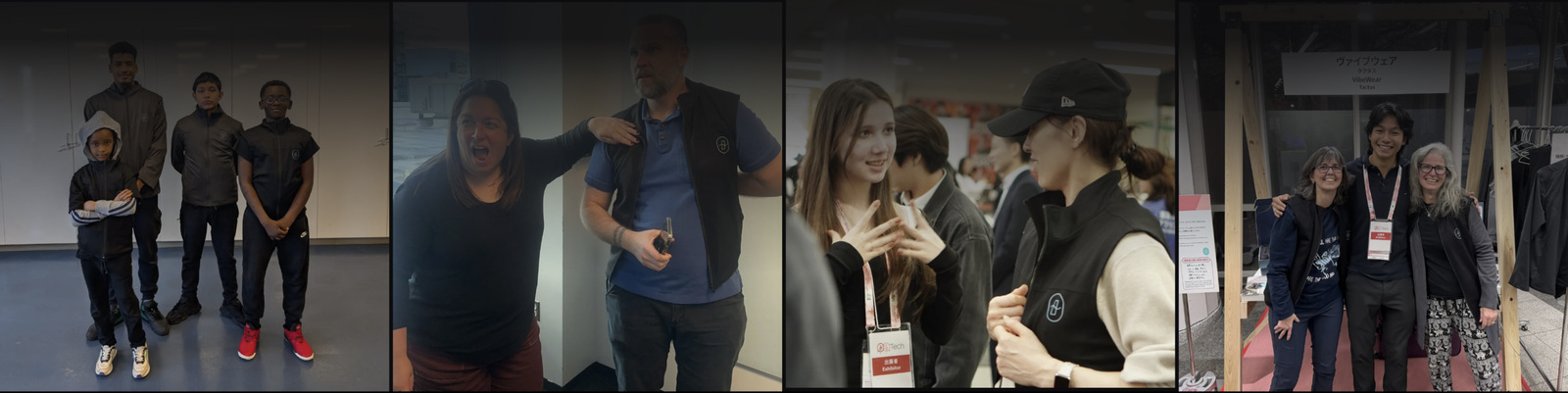
Tactus wearable technology allows people to literally feel music, providing an option for Deaf and hard of hearing people to enjoy musical experiences. Tomilli sat down with Tactus founder Jeremy Chow to learn more about the product.
How did the idea of translating music into physical sensations first emerge?
Jeremy Chow: When I met a Deaf dancer, professor and choreographer. She told me that she learned the music by putting her hands on speakers and feeling the vibrations. So, when she’s dancing, the song is playing in her head. When I met her, I was so intrigued and impressed. And that’s how this idea came about. I thought, ‘there has to be a way for someone to learn music through vibrations other than by putting their hands on speakers.’ So, I started doing more research and learned that people experience music through different experiences, such as holding balloons at a concert because the music reverberates within the balloon.

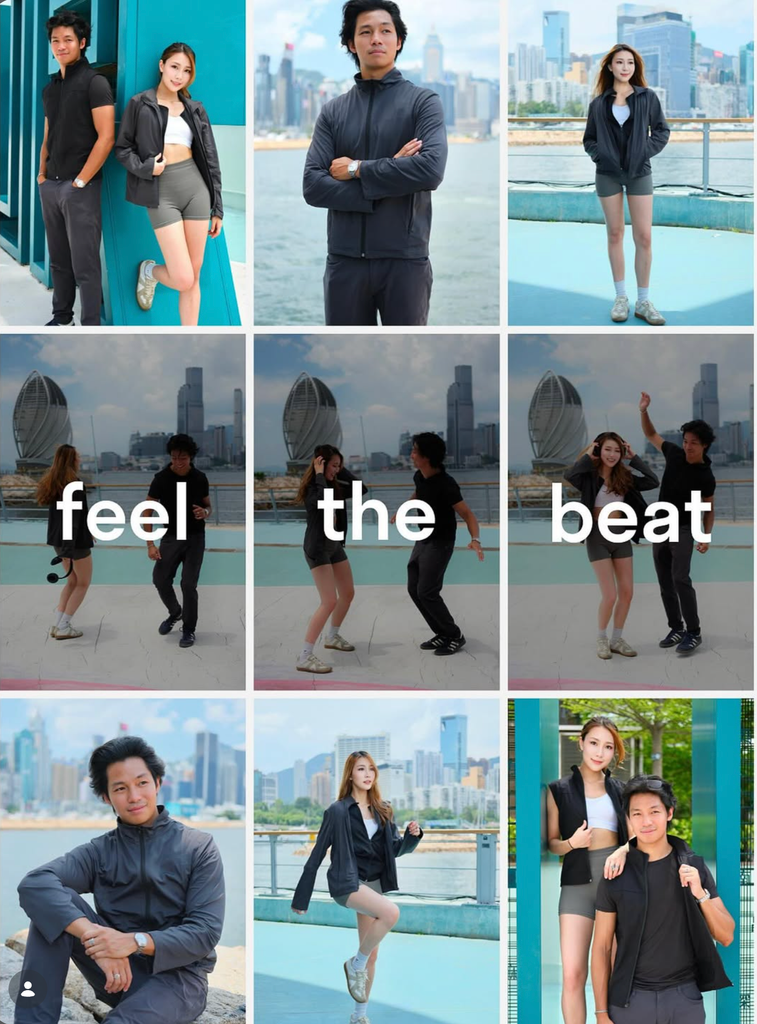
So, I thought, ‘what if we could send that sensation to a person’s body?’ We wanted something portable, similar to how a hearing person would put on headphones, something that does not restrict their movements. So, we developed Tactus as a wearable device. We have vests and jackets that are integrated with technology that translates music into vibrations. It’s a simple experience where users just connect their phone via Bluetooth and play music.
And what did you learn by developing this technology alongside people who are Deaf or hard of hearing?
Jeremy Chow: Aside from wanting to create an inclusive experience for the Deaf community, we wanted to be inclusive in the development process. We sent out every iteration to the local Deaf communities we’ve been working with to get their feedback.
One feedback we got was regarding the look and aesthetics of the product. The first version was more of a device and kind of looked like a safety harness. While it did a good job generating haptic experiences, the people testing it didn’t love the way it looked. They didn’t want to wear it outside. Totally understandable because it just didn’t look normal and they didn’t want additional attention to be drawn to them. So, we learned that it’s very important to make the product look discreet, to look like a normal piece of clothing, you know inconspicuous, so that someone can wear this out and about and no one would even bat an eye or think that they had something weird on.
Music combines rhythm, melody, instruments, and vocals. How do you translate that sonic complexity into vibrations that someone can not only understand, but enjoy?
Jeremy Chow: Music is very complex. It’s got instruments and melodies and we want to convey that to the user. So, we do signal processing to optimize sounds so they can be felt through vibrations. Our signal processing is developed to be able to convey what the artist of the song wants to convey to the audience, sending the different rhythmic aspects, frequency ranges to the user’s torso, translating the whole song in real time, not just the beat.
More than 500 Deaf athletes and attendees experienced Tactus at the Tokyo 2025 Deaflympics. What did you learn about the different ways people feel and experience a song when they’re from different cultures, backgrounds?
Jeremy Chow: I think the biggest thing I learned is that music goes beyond borders and it brings people together regardless of where they’re from. You know, some would request songs from their region and in different languages. Some that I had never heard before. In the meantime, we would also share songs that we know very well which maybe they have never experienced before. We had a good time, dancing and grooving to the music in whatever language or genre it may be.

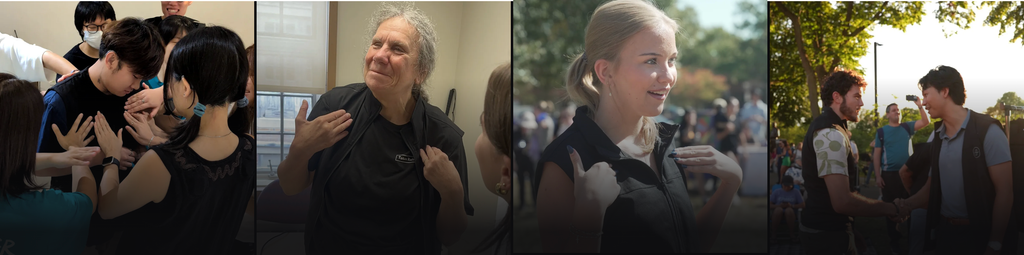
Tactus is not intended to replace captions or sign language interpretation, but rather to add a new dimension to the experience. Are we entering an era in which accessibility can also enrich the experience for the entire audience?
Jeremy Chow: Absolutely. A lot of technologies invented as accessibility solutions are later adopted by the general public. I think one example is actually the typewriter. It was originally built as an accessibility tool for blind individuals so they can write legible letters independently. I think texting was also widely adopted by the Deaf community and is now of course used by everybody. I don’t think it’s necessarily a new era, but it has been the case. I think true accessible design means that it’s not just about improving the lives and being user friendly for one particular group but that it’s usable for everybody.
What needs to change within the entertainment industry for technologies like this to become standard features at concerts, festivals, theaters, etc.?
Jeremy Chow: I think the industry is moving towards more accessibility. I think it’s driven partly by regulations. Then there is the fact that venues can benefit from being more accessible. That goes beyond what we’re doing of course, I think there are many ways a venue can be more accessible. You know we talk about wheelchair accessibility or for blind or low-vision individuals. The more accessible a venue is, the more doors they open, meaning that they’re able to bring more people into their venue, new ticket buyers.
Other than the appearance of the vest, were there any other obstacles that you ran into as you were developing the product?
Jeremy Chow: From a technical point of view, of course, integrating electronics, which are hard goods, into textile, which is a soft good; how you blend the two is a challenge. As well as scale, being able to make it so that the product is still affordable for the end users. That was a big thing for us. We didn’t want it to be so expensive because then it beats the whole purpose of having it accessible. Then, you know, as a small startup, of course working with limited resources. I think that’s the case for all startups. But we’ve been grateful to have some great supporters along the way.
How can Tomilli readers begin experiencing Tactus?
Jeremy Chow: They can check out our website, tactusmusic.com. Aside from that, they can catch us at events that we’re going to be doing. We’ve been collaborating with a lot of concerts and venues and where we are bringing the vests and our technology to kind of provide them for attendees. Our upcoming events will be at the 21st Winter Deaflympics 2027 in Austria, where we’re the Official Music Experience Partner and we’ll be co-hosting quite a few events where we’ll be providing our VibeWear to attendees.


