



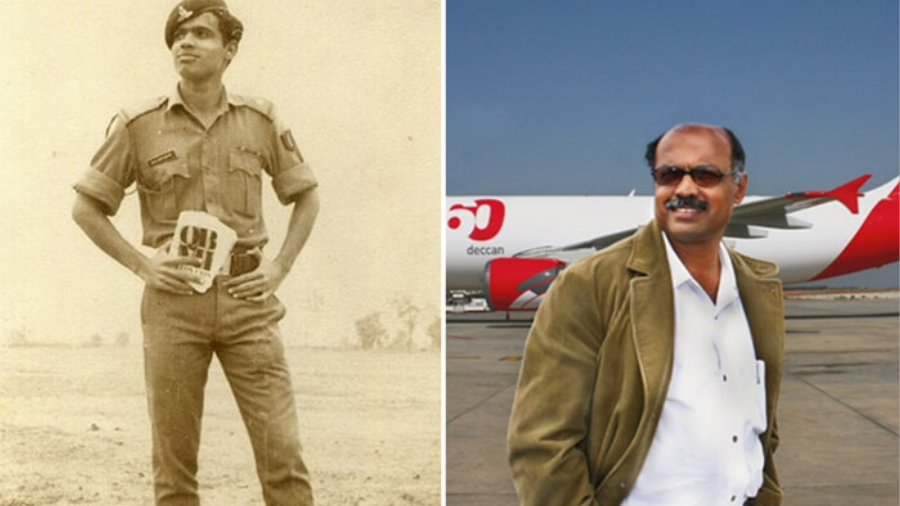
For decades, traveling by plane was a status symbol in India.
Something reserved for entrepreneurs, wealthy people, or those who could really pay the price of “flying.” For millions of people, traveling by plane was an impossible dream.
That was until G. R. Gopinath asked: What if flying could be as accessible as taking a bus?
Gopinath, a former Indian army officer, farmer and entrepreneur, understood an enormous need in the market. So, in 2003, he founded Air Deccan, India’s first low-cost airline. His inspiration came from European models such as Ryanair and EasyJet, that had already shown that reducing costs could democratize travel.
The strategy seemed absurd to many because of the extremely cheap tickets, rupee promotions, and flights aimed at people who had never set foot in an airport. At the time, the idea of low-cost flights all over the world seemed too risky to aviation tycoons. However, demand was high. Suddenly, whole families were traveling for the first time, workers were saving days on commuting, small entrepreneurs could connect between cities faster, and the plane was no longer seen as a luxury.
The film Soorarai Pottru portrays Gopinath’s inspiration and efforts to make air travel more accessible.
Because behind every seat sold there’s a story.
Sources: Indian Eagle
Tomilli selects what really generates impact.


