



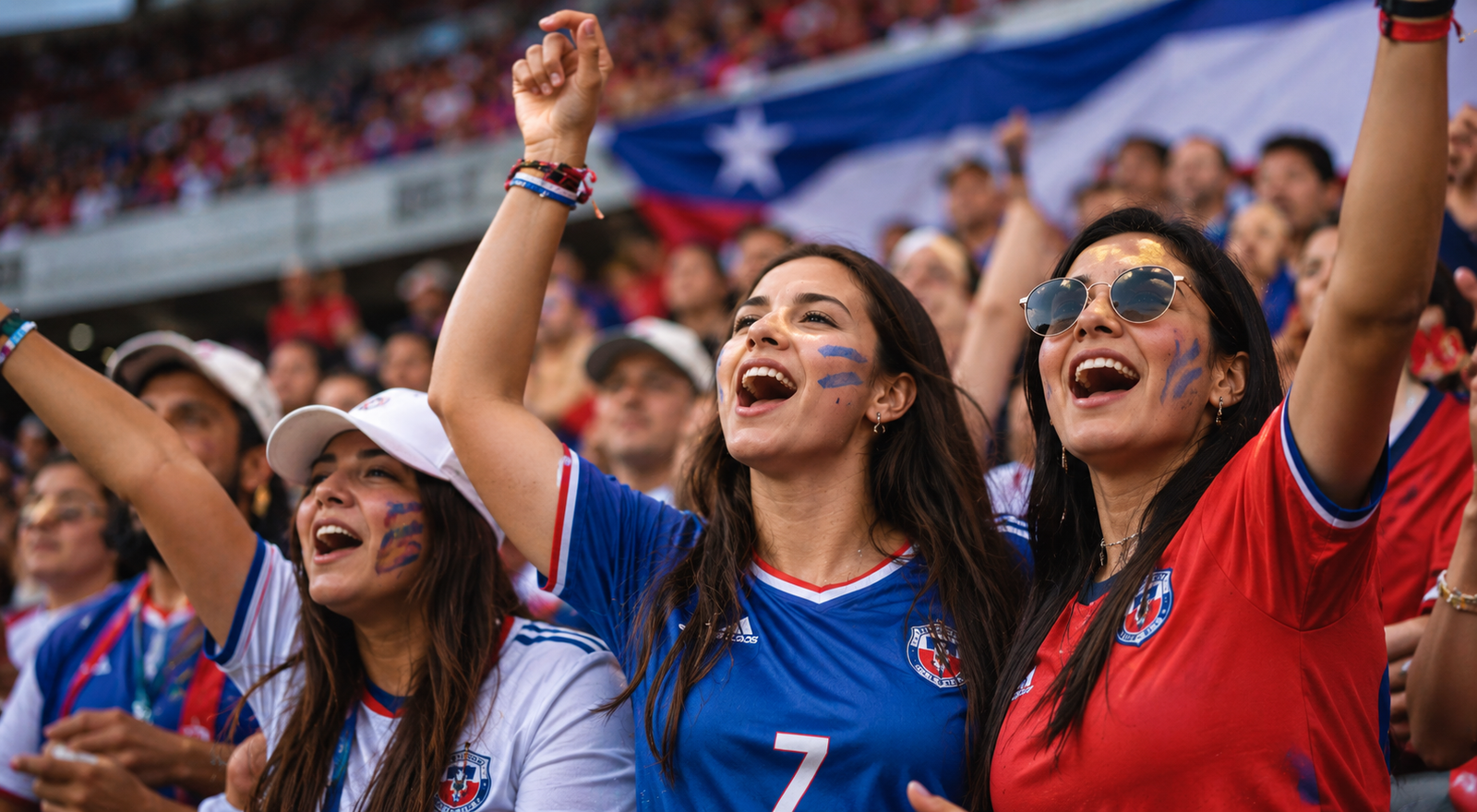
Women have transitioned from passive spectators in the stands to active protagonists in the 2026 World Cup. Women do not necessarily experience the tournament the same way men do, but it seems they are just as engaged. While traditional fans usually focus on the outcome of the games, tactics or statistics, new fans also find value in the human context surrounding the matches.
What is driving this change?
The visibility of female soccer fans has made a historic leap thanks to TikTok. FIFA named TikTok its first “Preferred Platform,” with users, largely women, connecting with stories that show the more human side of the tournament, such as the stories of players from Cape Verde and Haiti.
The story that has attracted the most attention is that of Cape Verde’s Josimar José Évora Dias, better known as Vozinha. At 40 years old, Vozinha has become one of the most recognizable figures of the 2026 World Cup after a memorable performance as the country’s goalie. His story goes beyond the traditional narrative arc: he also plays volleyball and works as a coach, a discipline that has helped him with his reflexes, coordination, reaction and jumping skills, skills reflected in his saves.
Haiti’s selection also presented one of the most talked about stories of the tournament. During a hydration pause, an anecdote attributed to his goalkeeper, Johny Placide, went viral when comparing the transparency of the water they received at the World Cup with the difficulties of access to drinking water experienced by many communities in his country, raising awareness about the reality in Haiti.
With this context, more and more women are interested in football and are actively sharing stories, providing visibility for social causes, building digital communities and turning the World Cup into a space for conversation that goes beyond the ninety minutes of a match.
Some fans are more interested in the stories of resilience, migration, identity, culture and social impact behind each selection than the scores. This way of experiencing the World Cup, promoted by social media, provides a space for connecting between cultures and generating empathy – perhaps more valuable than the World Cup trophy.


