



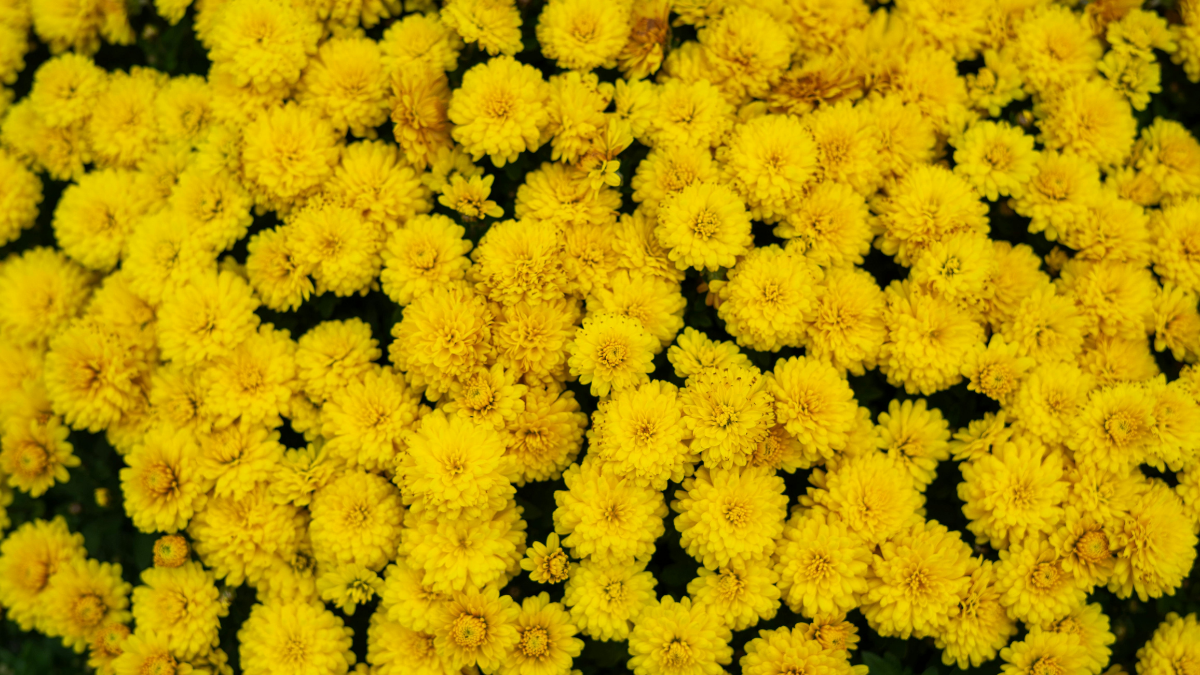
Some trends are born in meeting rooms, while others emerge far more organically. The yellow flowers phenomenon belongs to the latter. Every year, around September 21, Instagram and TikTok fill with bouquets, videos, memes and people hoping to receive them. But although the trend is now part of digital culture, its origins predate social media: Floricienta.
The Argentine telenovela, which premiered in 2004, left a lasting impression on an entire generation across Latin America. A year later, in 2005, “Flores Amarillas” (“Yellow Flowers”) was released as part of the soundtrack to its second season, performed by Florencia Bertotti.
The connection to the gift comes directly from the lyrics. The song tells the story of a young woman who dreams that the person she loves will come to meet her carrying yellow flowers. That gesture, associated with waiting for someone special, became one of the show’s most recognizable images and, years later, the symbol of a trend revived by social media.
However, the tradition of giving yellow flowers on September 21 did not officially originate with Floricienta, nor is it an internationally recognized celebration. Social media users and content creators brought the reference back on TikTok and began sharing it as a collective ritual. They also connected it with a date culturally associated with the beginning of spring in Argentina and other Southern Hemisphere countries.
The trend also appears on another date: March 21, particularly in Northern Hemisphere countries, where it coincides with the beginning of spring. Although September has become the date most closely associated with the phenomenon across much of Latin America, the gesture is also repeated in March, depending on the country and its cultural context.
The yellow bouquet has thus become a gesture of affection that can be photographed, filmed and shared. At the same time, the trend has expanded beyond romantic relationships. Today, yellow flowers are also exchanged among friends, relatives and loved ones, broadening the original meaning of the reference.
For brands, its appeal lies in the combination of three elements: nostalgia, participation and visual impact. Nostalgia resonates with those who grew up watching Floricienta. Participation makes people part of the phenomenon. And its visual nature makes the resulting content inherently shareable on social media.
This is how an element of 2000s pop culture became a small digital “marketing holiday.”
The next commercial occasion may not originate on an official calendar, but from a cultural reference that social media decides to bring back.


