



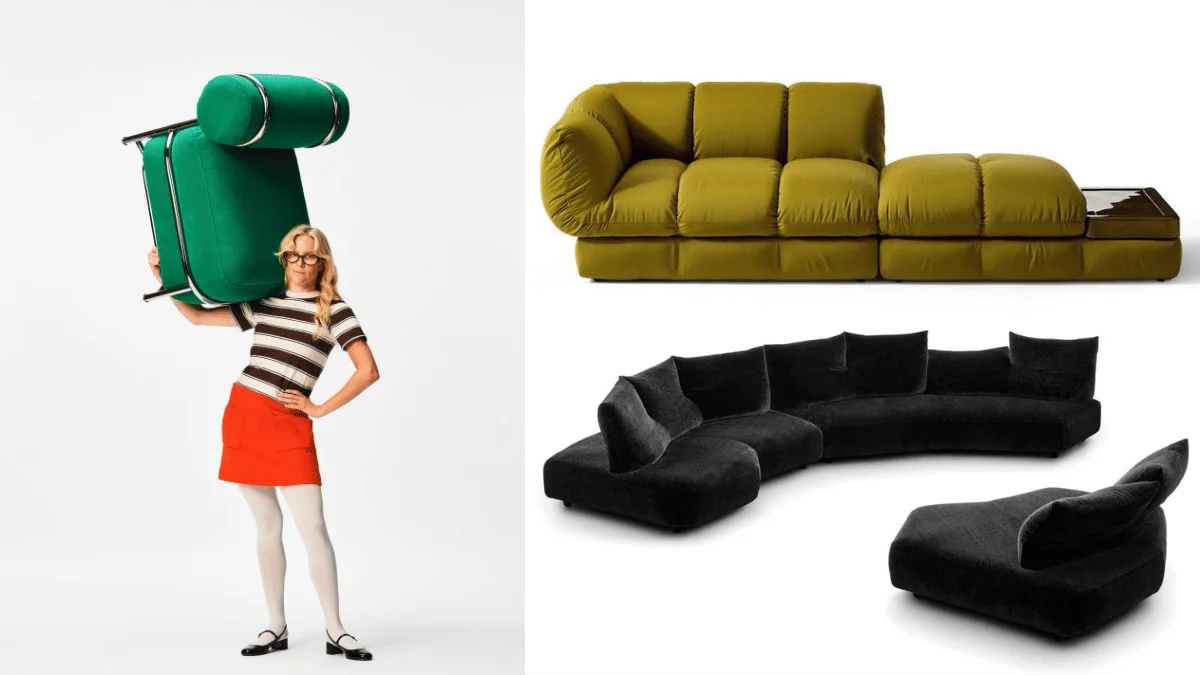
Milan Design Week 2026 once again brought together some of the latest developments in the international design industry. Beyond aesthetics, several of the concepts presented shared a common concern: creating furniture that can change, move and adapt to different ways of living.
Among the launches presented in Milan, three designs from IKEA, Cassina and Edra show how flexibility, movement and modularity are transforming everyday objects such as armchairs and sofas.
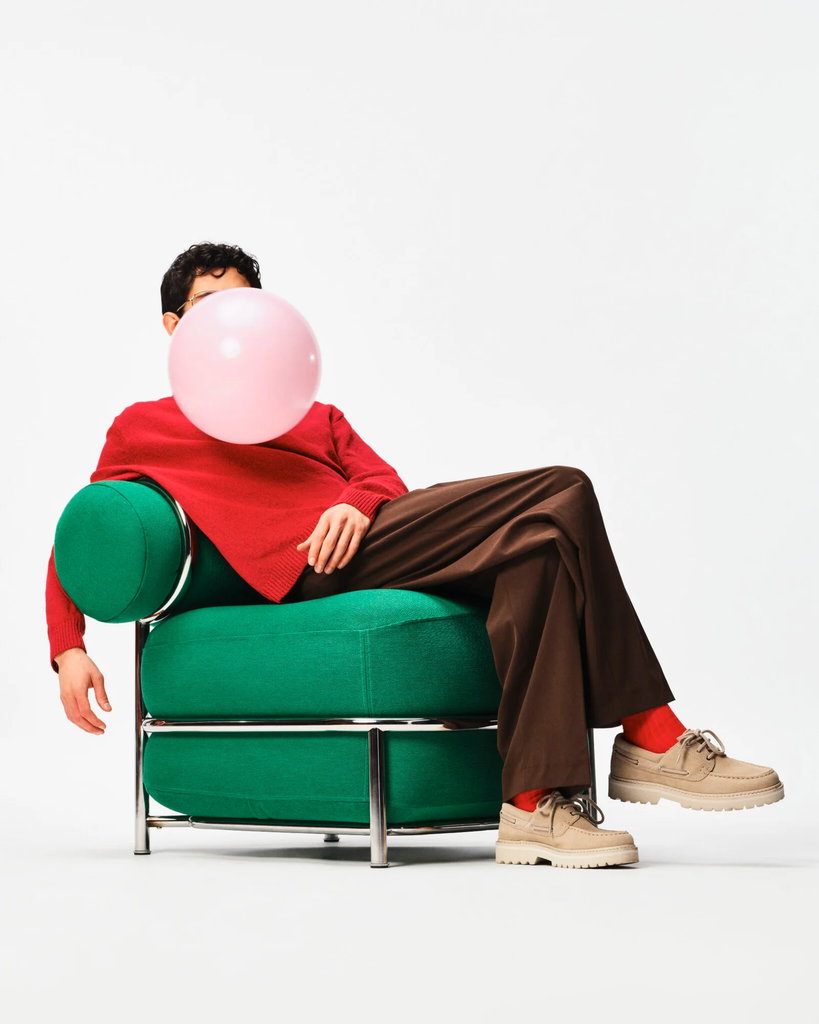
IKEA PS 2026: An Armchair That Uses Air Instead of Foam
IKEA returned to Milan with a preview of IKEA PS 2026, the tenth edition of its collection dedicated to experimental design. One of the standout pieces was an inflatable armchair designed by Mikael Axelsson, the result of an idea the company had been exploring for decades.
The design uses two adjustable air chambers within a chrome tubular frame to provide stability while maintaining a compact silhouette. Axelsson developed around 20 prototypes before arriving at the final solution, exploring how air could be used to reduce material use and transportation volume without compromising comfort.

The IKEA PS 2026 preview also included a rocking bench by Marta Krupińska, which turns sitting into an experience of movement, and a floor lamp designed by Lex Pott, featuring a head that can be rotated to direct light in different directions.

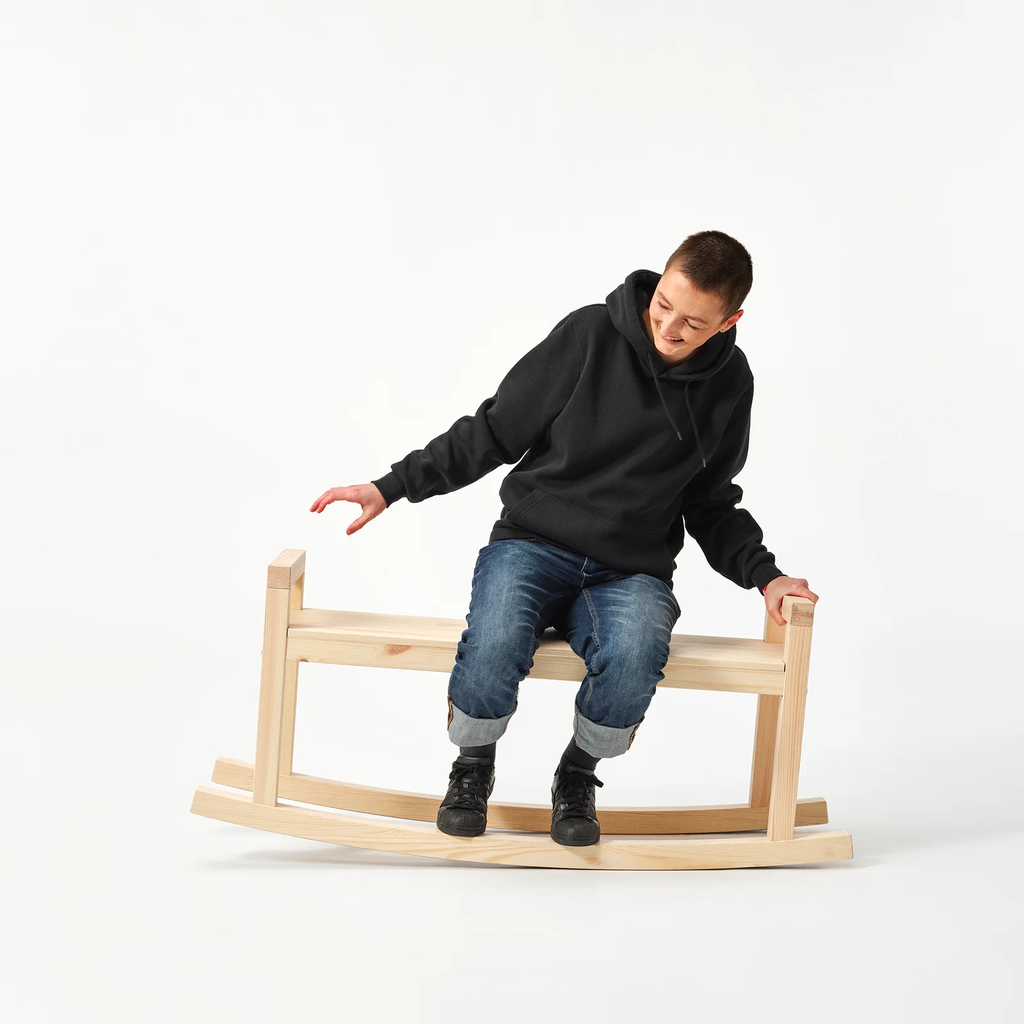
Rocking bench designed by Marta Krupińska
Image via IKEA
Ardys: Patricia Urquiola Brings Modularity to the Sofa
Another 2026 launch was Ardys, the sofa system designed by Patricia Urquiola for Cassina. Its padded volumes and deep stitching create a surface visually reminiscent of a quilt, but its defining feature is the ability to transform its configuration.
The modules are based on a square matrix and can be used individually or connected through a pressure-locking system developed specifically for the collection. This allows compositions to be rearranged over time, adapting the sofa to different spaces and changing needs.

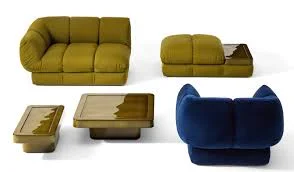
Image via Cassina
Anywhere: A Sofa That Adapts to the Body
Edra, meanwhile, introduced Anywhere, designed by Francesco Binfaré, a system that challenges the idea of the sofa as an entirely fixed structure.
The piece incorporates movable backrests that allow users to adjust both seat depth and inclination through Smart Cushion, a technology patented by Edra. The system consists of seven elements with irregular bases that can be combined or used independently.
With simple movements, users can modify the sofa’s configuration depending on whether they want to relax, have a conversation or shift into a different position. Rather than forcing the body to adapt to the furniture, Anywhere proposes the opposite: furniture that responds to the body.

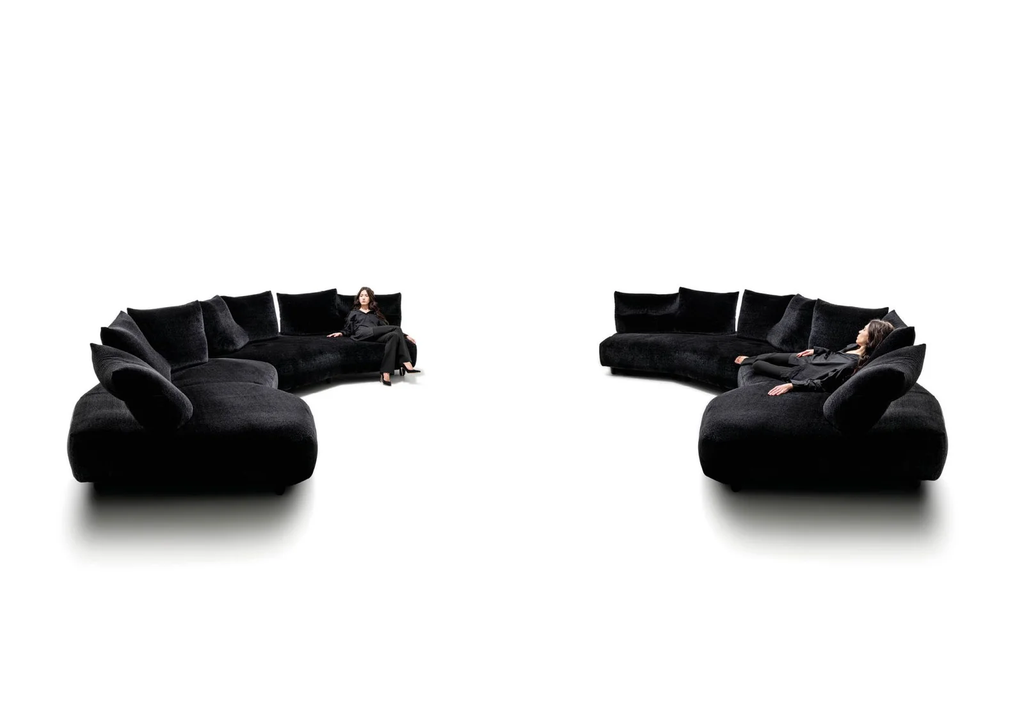
Image via Edra
From Static Objects to Adaptive Furniture
Although IKEA, Cassina and Edra operate with very different design languages and market positions, their proposals point to an interesting shift in contemporary design: furniture is increasingly being conceived less as a static object and more as a system capable of responding to its users.
Air replacing large amounts of conventional filling, modules that can be rearranged and backrests that shift position represent different answers to the same question: how can we design objects for homes and lifestyles that are themselves constantly changing?
Sources: IKEA, Cassina and Edra


