



Depression affects millions of people around the world, yet talking about it remains difficult. Despite progress in conversations around mental health, stigma persists — particularly when it comes to seeking help or using medication as part of the recovery process.
That reality inspired American artist Kellie Gillespie to work with an object that is part of everyday life for many people navigating these experiences: prescription medication bottles.
What would normally end up in the trash became the material for a large-scale installation designed to spark conversations about mental health, disability, survival and the stigma that still surrounds the use of medication.
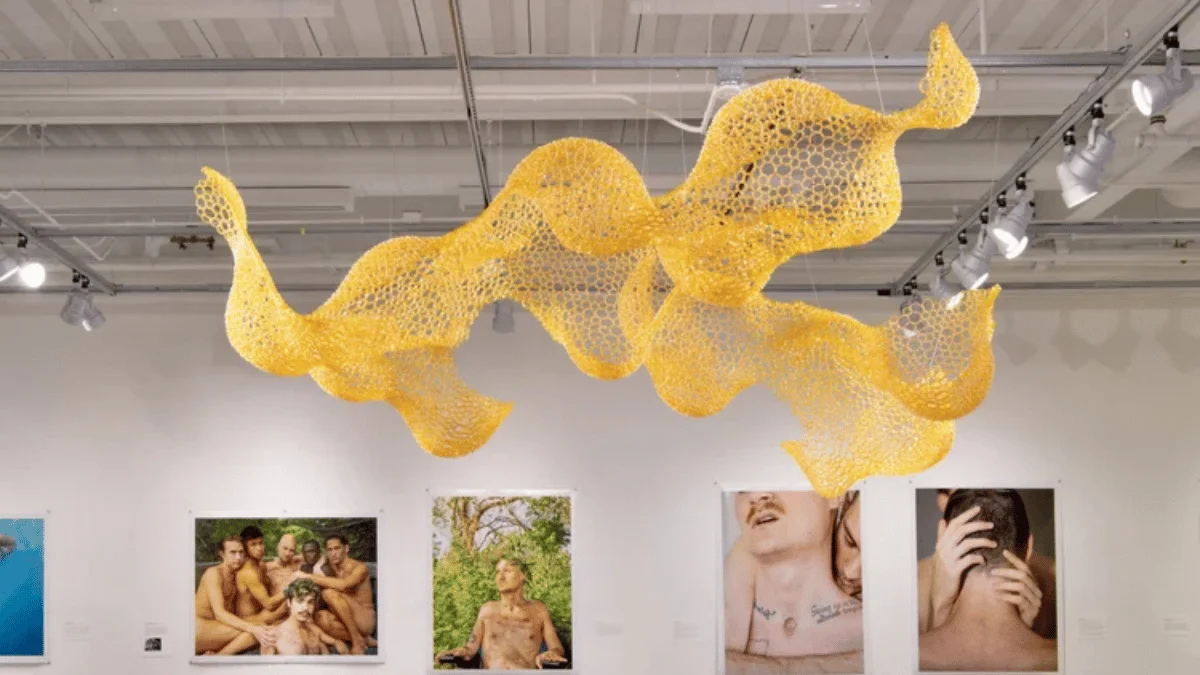
Titled over/medicated/under, the work was created using more than 10,000 medication bottles donated by people from communities across North America. Over the course of nearly two years, Gillespie collected the bottles through community campaigns and social media, transforming the installation into a collective artwork shaped by thousands of experiences related to illness, treatment and recovery.

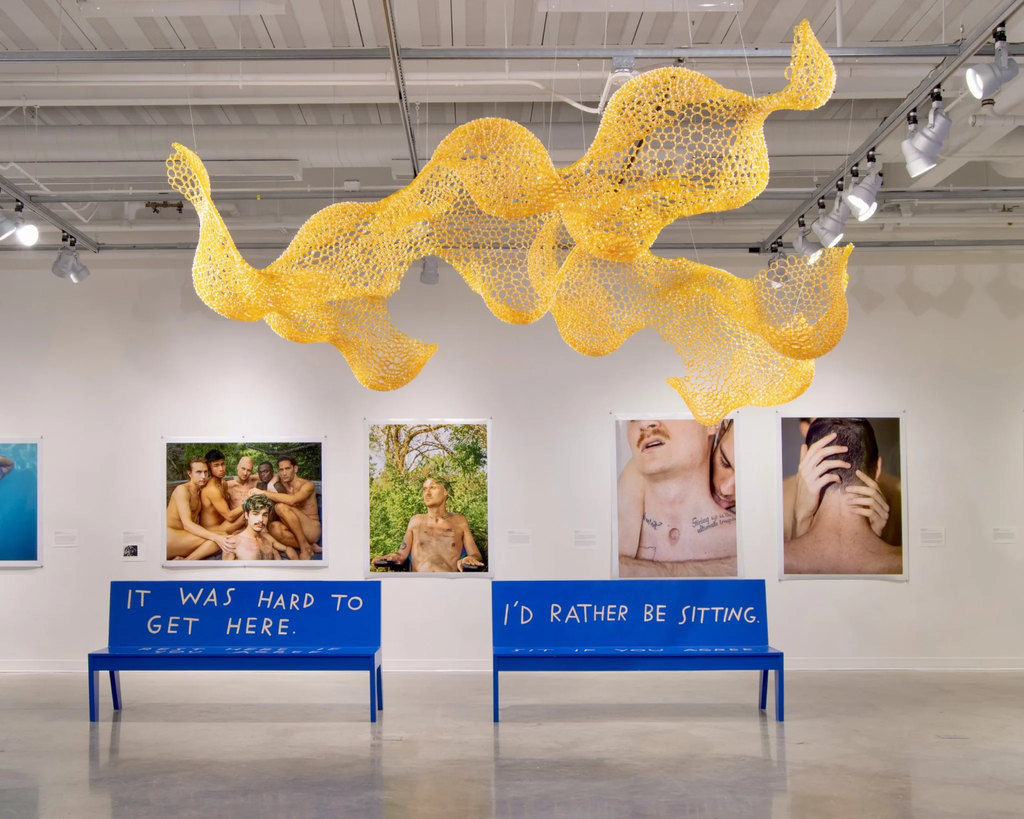
Image via Kellie Gillespie
To construct the installation, Gillespie manually cut the bottles into rings and connected them using thousands of plastic zip ties. The result is a suspended structure approximately 2.03 meters (6 feet 8 inches) tall, which visitors can walk beneath.
Its organic, curved forms evoke neural networks and synaptic connections, creating a visual reference to the chemistry and complexity of the human mind.
Through over/medicated/under, Gillespie challenges an idea that still persists around mental health: that needing medication is something to hide.
By transforming thousands of discarded medication bottles into a collective artistic experience, the work brings something that is often kept private into the public sphere, opening a conversation about treatment, vulnerability and survival.
Source: Kellie Gillespie


