


At the beginning of 2026, a song entitled Javanan-e Vatane went viral on social media.
In the midst of heavy repression in Iran and an ongoing military conflict, the song became a symbol of hope for a population living under a system with severe restrictions on freedom, particularly for women.
The recent protests, led mainly by young people, have been met with arrests and violence, as the government has perceived the protestors as a direct threat to power.
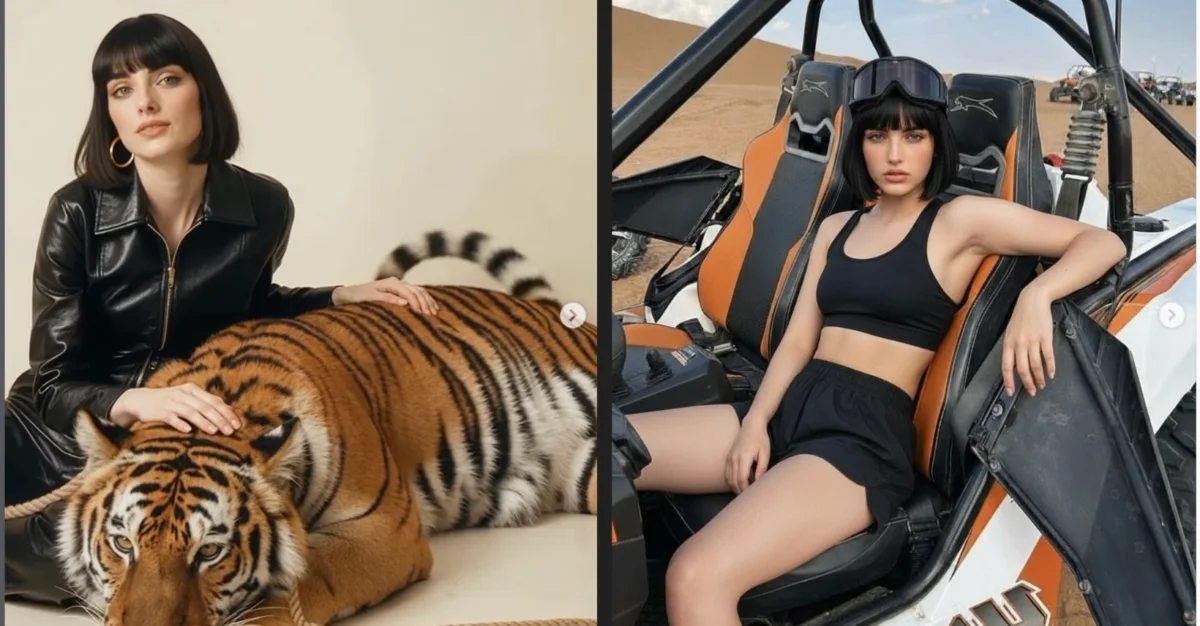
However – beyond its lyrics – what has caught the most attention about this song is that the artist behind it, Nava, is not a real person. She was created with artificial intelligence by Iranian-British artist Farbod Mehr. She represents Iranian women, who are forbidden to sing publicly.
The song is based on a historical protest poem that has managed to connect deeply with the population. Despite digital restrictions, the song has managed to reach millions of views on social media.
Beyond the use of artificial intelligence, this case demonstrates how an artist—even an artificially created one—can become a political tool and a new form of digital activism.
The question is inevitable: is the future of activism digital?