



Marketing often tries to change people’s behavior, however, some of the world’s most successful brands have opted for a different strategy: integrating into habits that are already part of a culture.
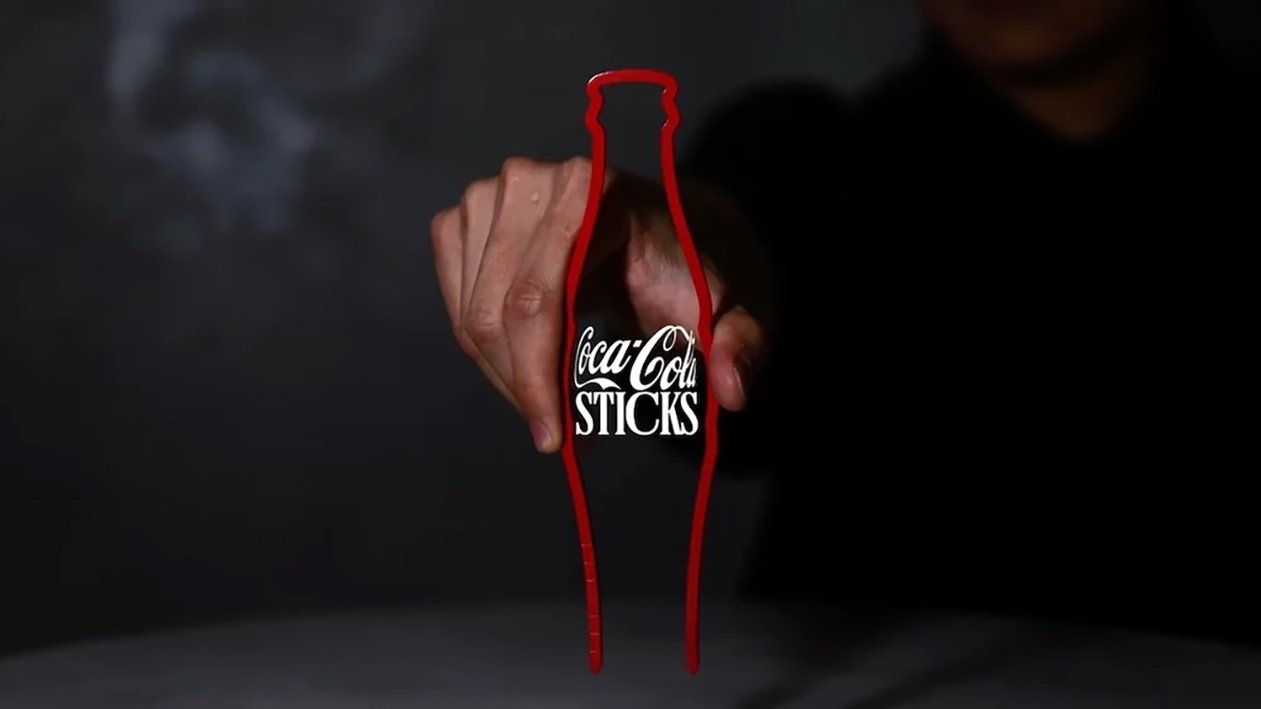
Coca-Cola’s CokeSticks are a perfect example of this. The initiative, launched in several countries across Southeast Asia, consists of reusable chopsticks inspired by the silhouette of the brand’s iconic bottle. The chopsticks are intended to accompany a daily practice deeply rooted in the region: sharing food during meals.
The campaign does not try to modify an existing custom or create a new need. On the contrary, Coca-Cola adapted its presence to a habit that millions of people already practice every day.
This principle has been present in some of the most successful brand strategies from the past few decades.
In Japan, KitKat succeeded in becoming a symbol of good luck for students because its name sounds similar to the Japanese expression ‘Kitto Katsu,’ which can be interpreted as “sure to win.” The brand took advantage of this cultural partnership and transformed its packaging so that people could write messages of support and send them by mail.
Oreo, meanwhile, turned the act of eating a cookie into a small ritual. Its famous “twist, lick, dunk” slogan transformed everyday consumption into a playful experience that has passed from generation to generation.
Something similar happened with Alibaba in China. The company identified the potential of Singles Day, a local celebration that takes place on November 11 each year, and made it the largest online shopping event in the world.
In all these cases there is a common pattern: The brands did not attempt to impose new behavior. They found behaviors, traditions or rituals that already had meaning to people and built their proposal around them.
In the end, the brands that manage to stick out in our memories are not always the ones that speak the loudest. They often just understand people better. When a brand is naturally integrated into a culture, it stops feeling like advertising.
Source: Ogilvy Vietnam – CokeSticks.
About Tomilli
Tomilli is a global content ecosystem focused on trends, innovation, marketing, and creativity. Analyze ideas and campaigns that impact the industry.