



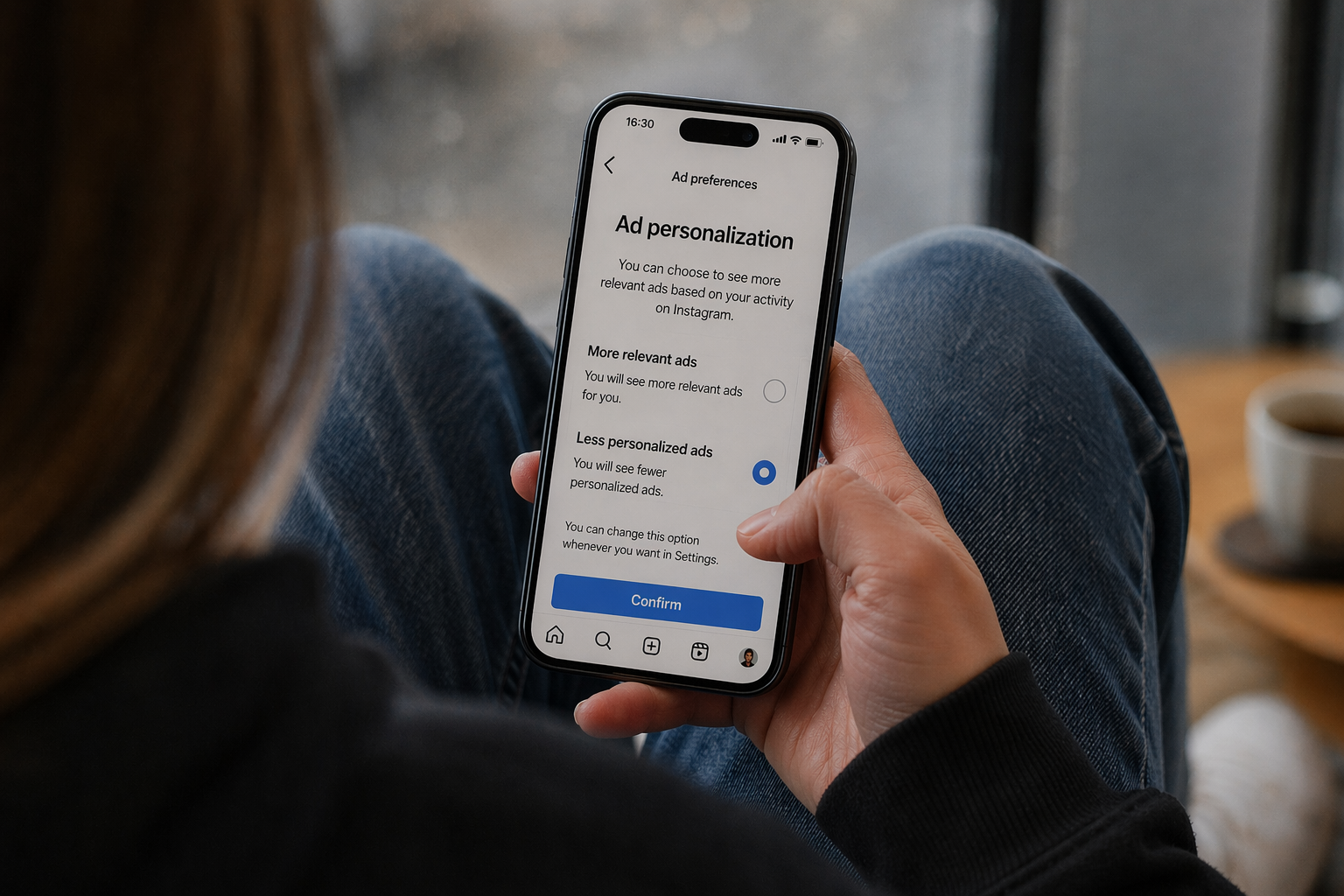
For years, the marketing industry assumed that more investment meant more attention. Today, that logic is beginning to break down.
Analyses by Nielsen and WARC confirm that digital advertising is no longer failing because of a lack of reach, but because consumers are rejecting it. In fact, up to 90% of consumers ignore digital ads, despite spending several hours a day consuming content.
According to Nielsen,
“Most consumers have developed mechanisms to actively avoid digital advertising, prioritizing content they perceive as relevant or authentic.”
It’s not that attention doesn’t matter anymore, just that consumers stopped responding to traditional formats. Some of the most influential brands are already operating under this premise. Apple, for example, has turned context into its main channel. The appearance of the iPhone 17 at Formula 1 was not a traditional launch, but a response to cultural logic: Inserting the product in an aspirational and highly consumed environment without needing to explain it.
There was no explicit sale’s pitch, but rather, a clear construction of desire.
https://www.instagram.com/p/DUoANKGkYUk
Vicio has had a different approach, but it’s just as effective. Vicio has built its growth by breaking the rules of advertising language. Its communication dispenses with perfection, bets on humor, and adopts its own Internet codes. It does not seek to look like a brand, but to behave like another user within the feed. And therein lies its impact: in its perceived naturalness.
https://www.instagram.com/p/DOWXS2MiOiU
https://www.instagram.com/p/DPmP5WsCMMH
Even companies with more traditional structures are adapting this approach. Burger King for example, posted its CEO tasting the franchise’s hamburgers, in what would appear to be spontaneous content, but that most likely responds to a clear strategy: a shift from advertising messaging towards experiential validation. Via this approach, the brand stops speaking from a position of ‘authority’ and begins to connect to consumers via everyday life.
https://www.instagram.com/p/DVZoZQJjti8
The WARC (2026) analysis points out:
“Attention is no longer bought, it is earned. Brands must compete within the content ecosystem, not disrupt it.”
In this context, anti-marketing redefines the role of brands. It is no longer a question of being more visible, but of being less intrusive. The strategy involves building advertising campaigns that do not look like advertising, and consumer experiences that are not perceived as campaigns.
About Tomilli
Tomilli is a global content ecosystem focused on trends, innovation, marketing, and creativity. Tomilli offers analysis on the ideas that impact the industry.