


Can you imagine giving up your job because a large company said yes to your project just for them to call you a few days later to inform you that the contract was no moving forward? That was how BAUMM got its start.
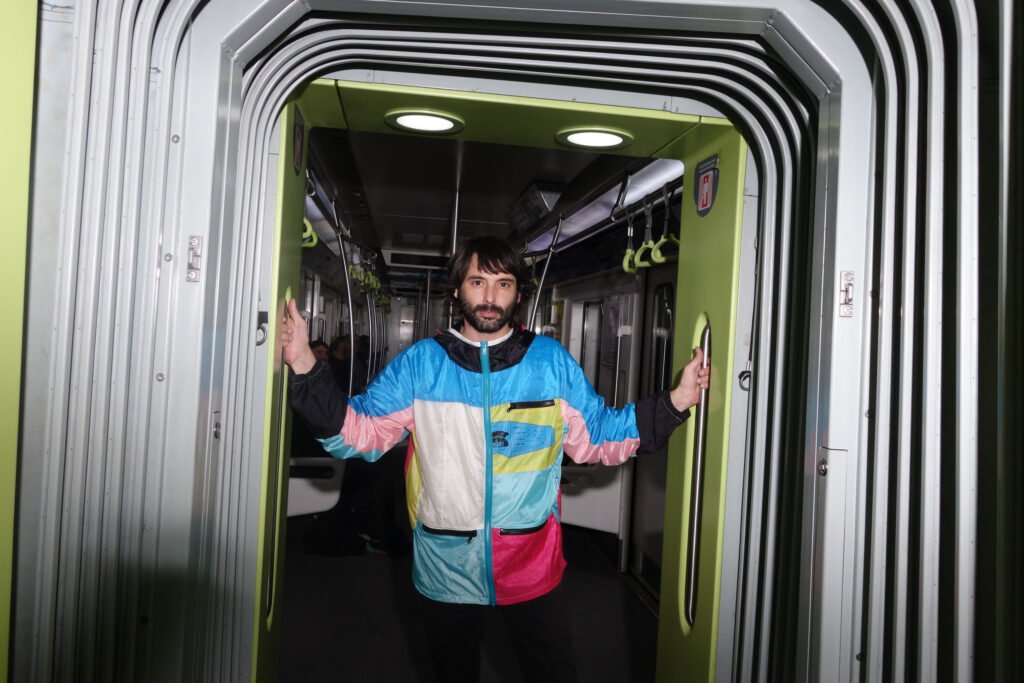
The Argentine sustainable design firm was first conceptualized fifteen years ago based on the idea that the company could find value where others saw waste. What started with reused advertising tarps evolved to turn paragliders, parachutes and other discarded technical materials that could be converted into unique jackets, backpacks and accessories.
In an exclusive with Tomilli, BAUMM’s director, Lucas Desimone, reflected on past mistakes, lessons learned and unexpected moments that marked the growth of a brand that today works with companies like Adidas, Nike and Netflix, but that still retains the same curiosity that it had on day one.
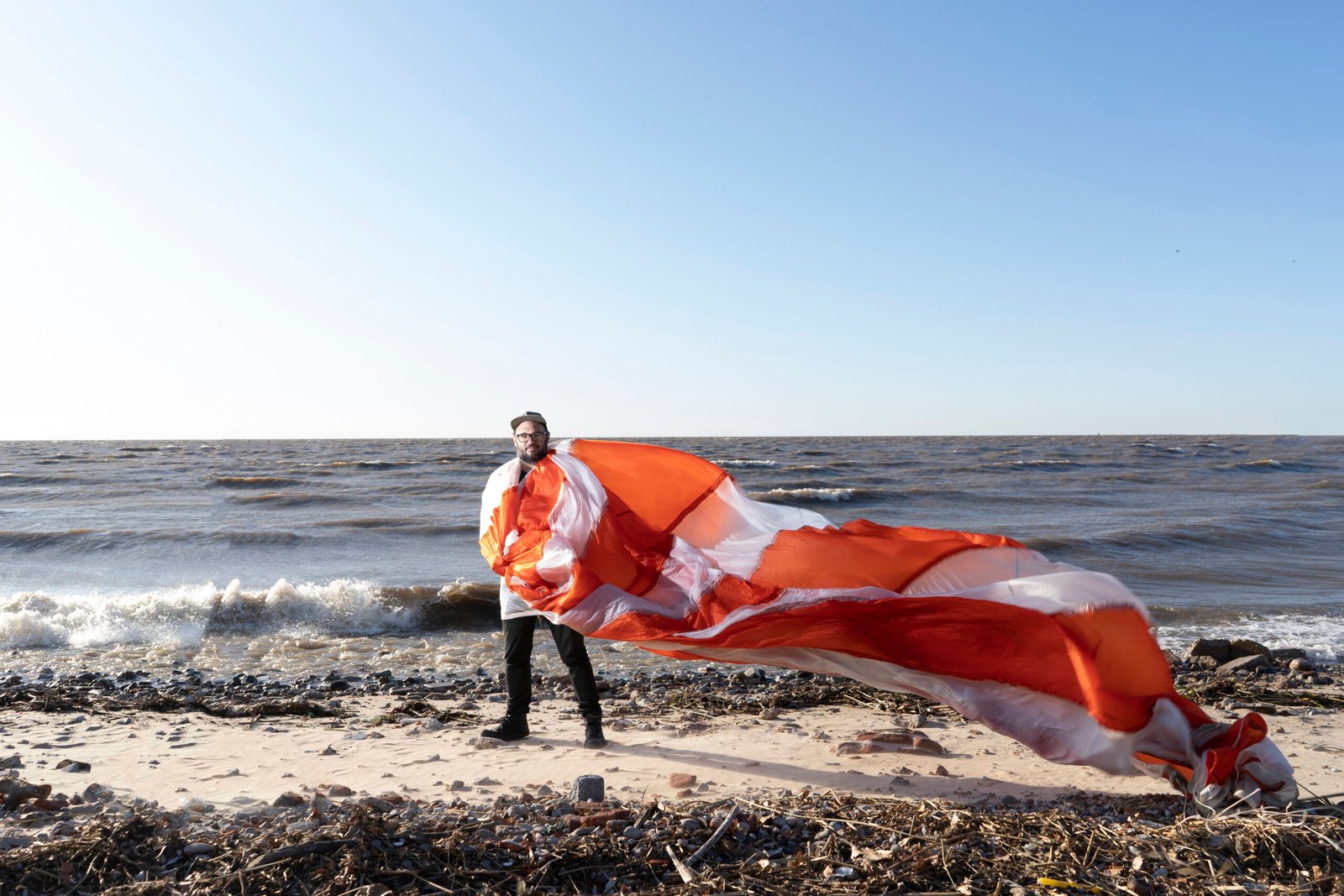
It all started with a paraglider
Although the company’s first experiments were with advertising banners, the real turning point came when the team found an old paraglider.
“We were already considering reusing [materials] and seeing what could be done with materials that were already being reused,” Lucas recalls.
However, the path was not so simple. The tarpaulins they used initially seemed like a good solution, but over time they began to crack and lose resistance.
That experience taught them an important lesson: reusing a material is not enough. It must also offer quality, durability and a true utility for those who buy it. It was then that BAUMM began to investigate other materials until they discovered that paragliders and parachutes could offer much more resistant and versatile alternative.
The Moment They Understood That They Had Made it
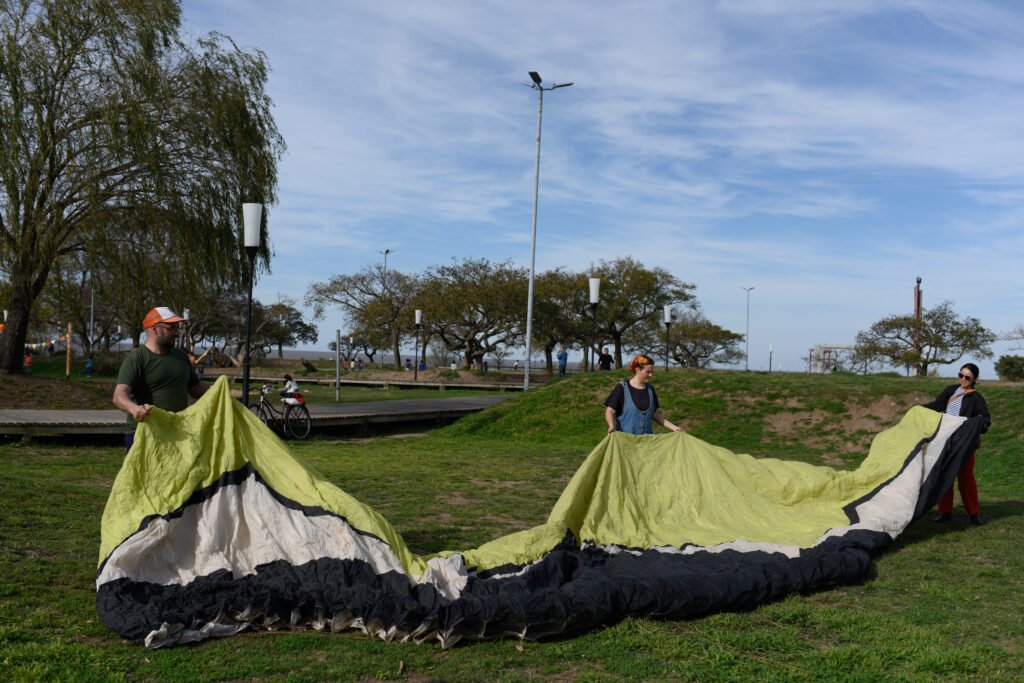
BAUMM’s first experiments involved reusing advertising banners. However, over time they discovered that the material cracked and ended up breaking, so it was not a sustainable solution in the long term.
That experience taught them that reusing a material is not enough. The material must also be durable and functional. This led them to explore new materials, and in paragliders and parachutes they found much more resistant alternative.
While collaborations with brands like Adidas, Nike or Netflix were of course important, Lucas recalls knowing that they ‘had made it’ when, during a trip to Japan in 2018, he encountered people from across the world buying BAUMM’s products and asking him to sign them. “It was off, especially because I didn’t expect it,” he says of the experience. That was when he realized the reach BAUMM had achieved.
The company recently found an unexpected opportunity in reused airport weather vanes. The twenty limited edition bags made of this material sold out in a single day, something that had not happened over the previous year due to economic difficulties in Argentina. From Lucas’ perspective, this shows that there is a growing interest in unique products, made with unconventional materials, with an authentic story behind them.
Innovation is not just about reusing
For BAUMM, innovating is not about simply reusing materials, but making what seemed like a waste become even better than its original function. “If we are going to reuse a material, the result has to be just as useful or interesting than for what it was designed,” Lucas says.
The company’s innovation is to take upcycling (the process of transforming discarded materials or products into something that has greater value, utility or quality than in its original form) to its maximum expression: transforming discarded materials into functional, attractive and durable products that people really want to use. As Lucas points out, the goal has always been to “get the most out of” each material and to turn it into something superior.
Breaking the rules of consumption
Since its inception, BAUMM has decided to move away from the traditional model of seasonal collections which drives consumption. “We found it unnecessary,” says Lucas. Instead of producing products according to business calendars, the brand creates items based on the materials it finds and the opportunities that arise.
Lucas recognizes that change happens gradually. He believes that transformation will not come from a single brand, but from small communities of consumers that understand the value behind each product and share that vision with others. “The monster is so big that there is nothing left but to work small,” he concludes.