



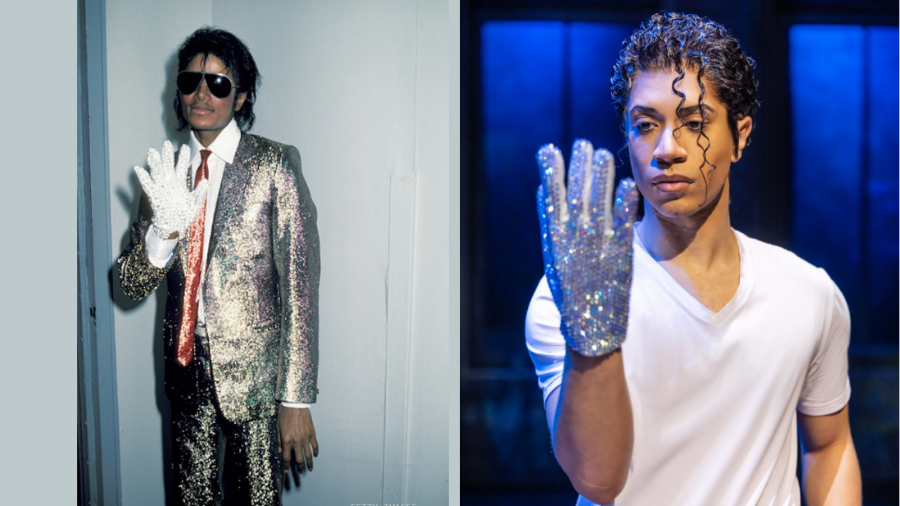
Pop culture has shaped generations, but few artists have managed to transform culture quite like Michael Jackson.
Jackson redefined pop by breaking racial and generational barriers, elevating music videos, fashion, and dance to a new standard. Before the concept of “personal branding” was part of the marketing lexicon, Michael was already operating as one: a global, coherent, and highly recognizable identity.
Jackson’s videos were not just about music, he also incorporated aesthetics and narratives, via iconic choreographies, a clear visual style, and distinctive costumes. These elements not only consolidated his artistic impact, but positioned him as a cultural icon capable of transcending formats, audiences, and generations.
https://www.instagram.com/p/DXHjiZ_ClNo/?img_index=1
The “King of Pop” transformed music with hits like Thriller (1983), which was not just a music video, but a 13-minute musical short film directed by John Landis. With special effects and cinematic choreography, Thriller set a visual and artistic standard, inspiring artists to this day. He established the music video as an essential piece of art in an artist’s presentation.
https://www.instagram.com/p/DSVPtRFlXzG
Jackson propelled the MTV generation and broke racial barriers, as one of the first African American artists to sound regularly on pop music channels.
His legacy was not only aesthetic. In 1992, he created the Heal the World Foundation, focused on helping children in vulnerable situations, fighting hunger, and protecting the environment. Beyond the million-dollar donations he made throughout his life, Michael understood – before it was a trend – the value of purpose as part of his public identity. He used his global reach not only to entertain, but to mobilize audiences and generate awareness, becoming an early benchmark for what companies now call “brand purpose.”
His understanding of personal brand was reflected in his relationship with the advertising industry. His Pepsi endorsement in the 80s was not only a brand sponsorship, but one of the first examples of music and brand integration, with Michael adapting his sound to the advertising campaign. Campaigns like “The Choice of a New Generation” not only amplified his image, they redefined how an artist could appear on a commercial platform without losing cultural relevance, anticipating what we now understand as strategic collaborations between artists and companies.

With the new Michael Jackson biopic, the King of Pop returns for what is much more than a tribute: it is a brand revival. In a context in which nostalgia has become a key industry strategy, the biopic seeks to inspire a new generation with the King’s legacy, which is hard to achieve in an ecosystem dominated by streaming platforms, social media networks, and fragmented consumption.
At the same time, the biopic reopens conversations about the controversies that marked his life, showing how, even after his death, his figure continues to be managed as a cultural, mediatic, and economic asset.
https://www.instagram.com/p/DXMtLiRiHwd
Tomilli publishes content about global trends, innovation and marketing.


