



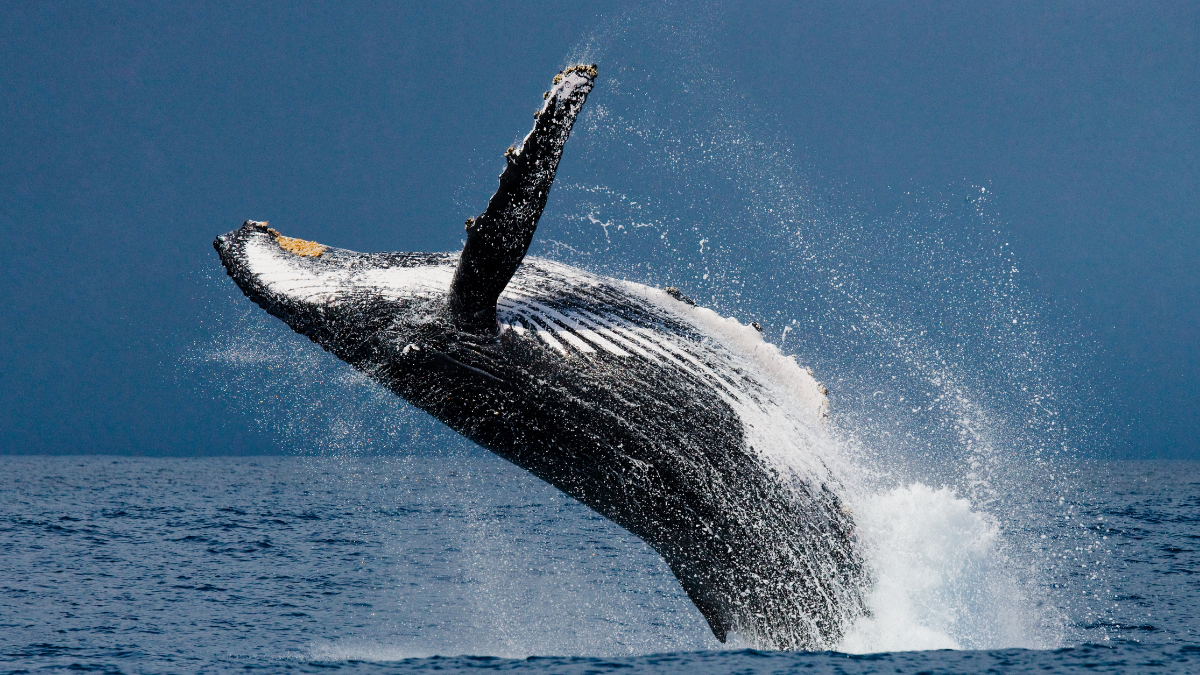
Off the coast of northern Germany, a humpback whale (Megaptera novaeangliae) starred in a scene as dramatic as it was unexpected after being stranded near the shore, sparking a complex rescue operation that quickly caught international attention.
What initially began as a coordinated effort between marine biologists, veterinarians, and local rescuers, became a large-scale operation requiring heavy machinery, specialized equipment, monitoring, and ongoing veterinary assistance.
Given the magnitude of the emergency and the high costs of the rescue, an unexpected actor appeared: a coalition of entrepreneurs and European millionaires that decided to contribute economic resources to help finance the operation as public funds were not sufficient.
During the operation’s most critical hours, the teams worked tirelessly to keep the animal alive and well:
- The whale was constantly hydrated to prevent skin damage and overheating.
- Cranes and support systems were used to stabilize the whale’s body.
- Teams of scientists permanently monitored the whale’s vital signs and stress levels. The objective was clear: to return the whale to the sea alive.
Beyond the rescue, the case also served as a gateway for conversations around the role the private sector in environmental emergencies and conservation projects. The case raised questions such as: Who should bear such costs? How far the responsibility to protect wildlife goes? Or, how to accelerate responses to environmental crises?
Although similar situations have occurred around the world, they rarely receive an economic and media mobilization of this magnitude.
The case demonstrates how, in critical scenarios, the combination of science, resources, and rapid action can make a difference in protecting wildlife.
Environmental conservation no longer depends solely on governments and organizations. More and more private actors are beginning to participate in conversations and actions related to the future of the planet.
Tomilli is for those who create, communicate, and build


