



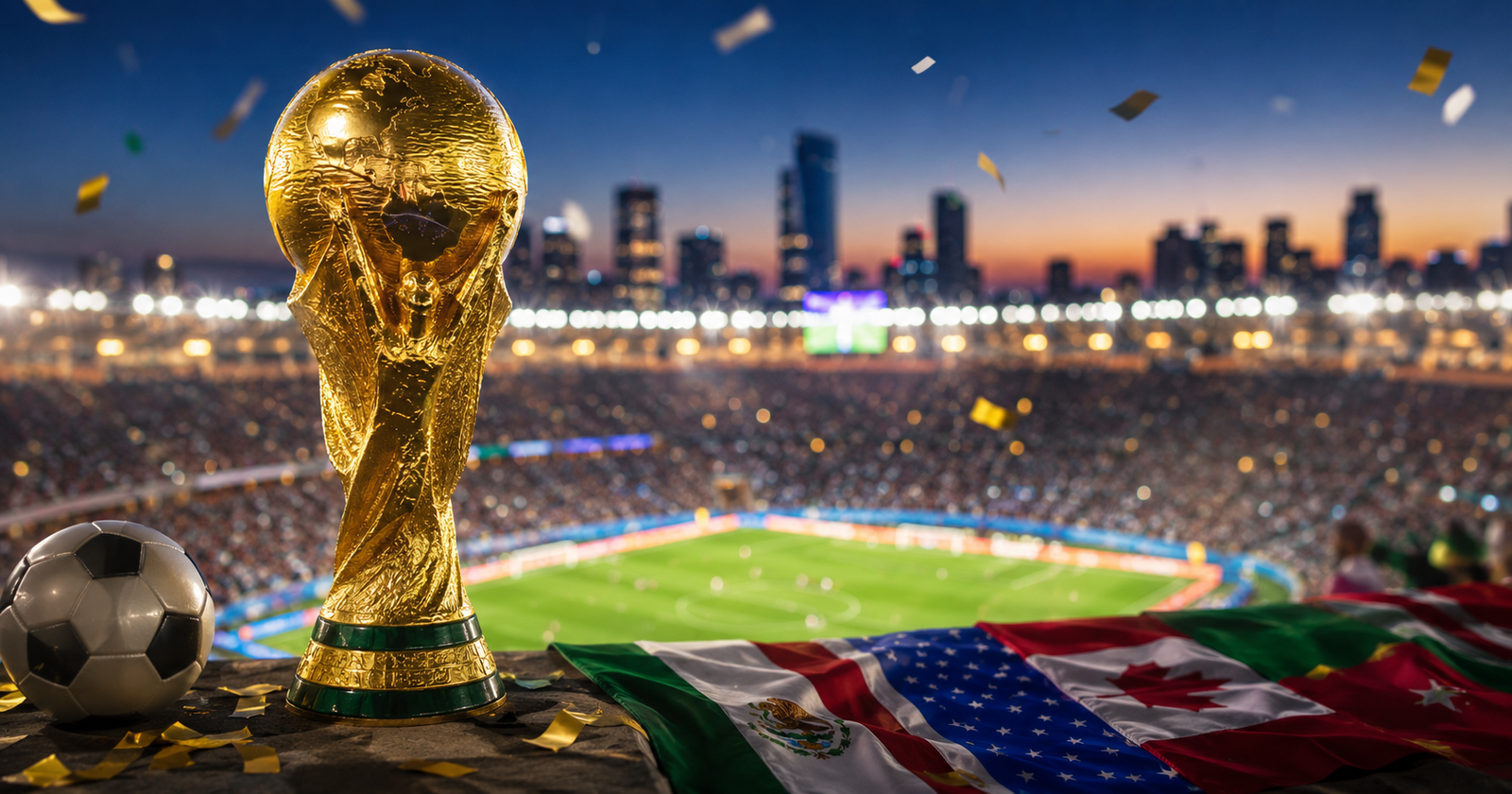
Every four years, FIFA transforms into one of the world’s largest entertainment brands. Beyond the games, the international soccer federation’s brand strategy also breaks the mold: FIFA doesn’t sell products, it sells a collective cultural identity that connects with audiences’ emotions and connects people from Latin America, Europe, Asia and Africa.
The World Cup is not only experienced during the tournament, but long before it starts, notes Martín Guerriera, the director of Kantar BrandZ. The event begins to influence conversations between countries, brands, sponsors, and consumers long before the first match, generating changes in market behavior and consolidating itself as one of the most powerful cultural and commercial phenomena in the world.
The FIFA World Cup started due to a need to create a professional football tournament for professional players. At the time, the Olympic Games were only for amateaur athletes. The first World Cup was held in Uruguay in 1930, when television was still in black and white. By then, Uruguay was already a two-time Olympic champion, a recognition that gave the country great relevance in international football. In addition, Uruguay offered to cover the travel expenses of the participating teams, a key factor to the decision for the country to host the first World Cup. That same year, Uruguay made history again by beating Argentina in the final and winning a new international title.
In 2026, the World Cup will take place in the United States, Canada and Mexico, with 48 teams representing their countries. However, while the tournament moves the global economy, it does not have the same cultural significance in all markets.
In the United States, football, locally called soccer, has historically not been the most popular sport. The country’s sporting identity and commercial market are consolidated around American football, baseball and basketball. In contrast, in Latin America, Europe and Africa, football is a cultural pillar influenced by historical, social, and economic factors.
More than 1.5 million international visitors are expected to attend this year’s FIFA World Cup, boosting sectors such as hospitality, retail, gastronomy and tourism. In the United States alone, the event is projected to move around $30.5 billion and lead to a $17.2 billion increase in national GDP, with the creation of approximately 185,000 full-time jobs.
The 2026 World Cup will not only be one of the biggest sporting events in history, based on the number of teams and venues; it will also be a global opportunity for brands to enter a cultural conversation.
While some companies struggle to capture seconds of attention in an over-saturated market, the World Cup allows for something much more powerful, the opportunity to connect with a collective feeling of belonging, celebrating and sharing the same experience around the world. We will be watching this year to see how different companies appeal to the conversation around the World Cup to promote their products, ideas, and content.
FIFA’s greatest value as a brand, lies not only in the revenue it generates, but also in its ability to transform emotions, identity and conversations into a cultural phenomenon where brands, people, and countries are part of the same global experience.
Sources:
Kantar – “The intelligence advantage: what the World Cup reveals about building enduring brands”
Plus500 – “Economía de la Copa del Mundo la FIFA: qué esperar del Torneo 2026”
Tomilli seeks innovation that generates conversation.