


The World Cup organized by the United States, Mexico and Canada has become a global laboratory for innovation, entertainment, data and culture.
While the ball continues to be the star, artificial intelligence, new technologies, marketing strategies and unexpected stories are redefining what it means to experience the world’s biggest football tournament.
The Referee is Now a Camera
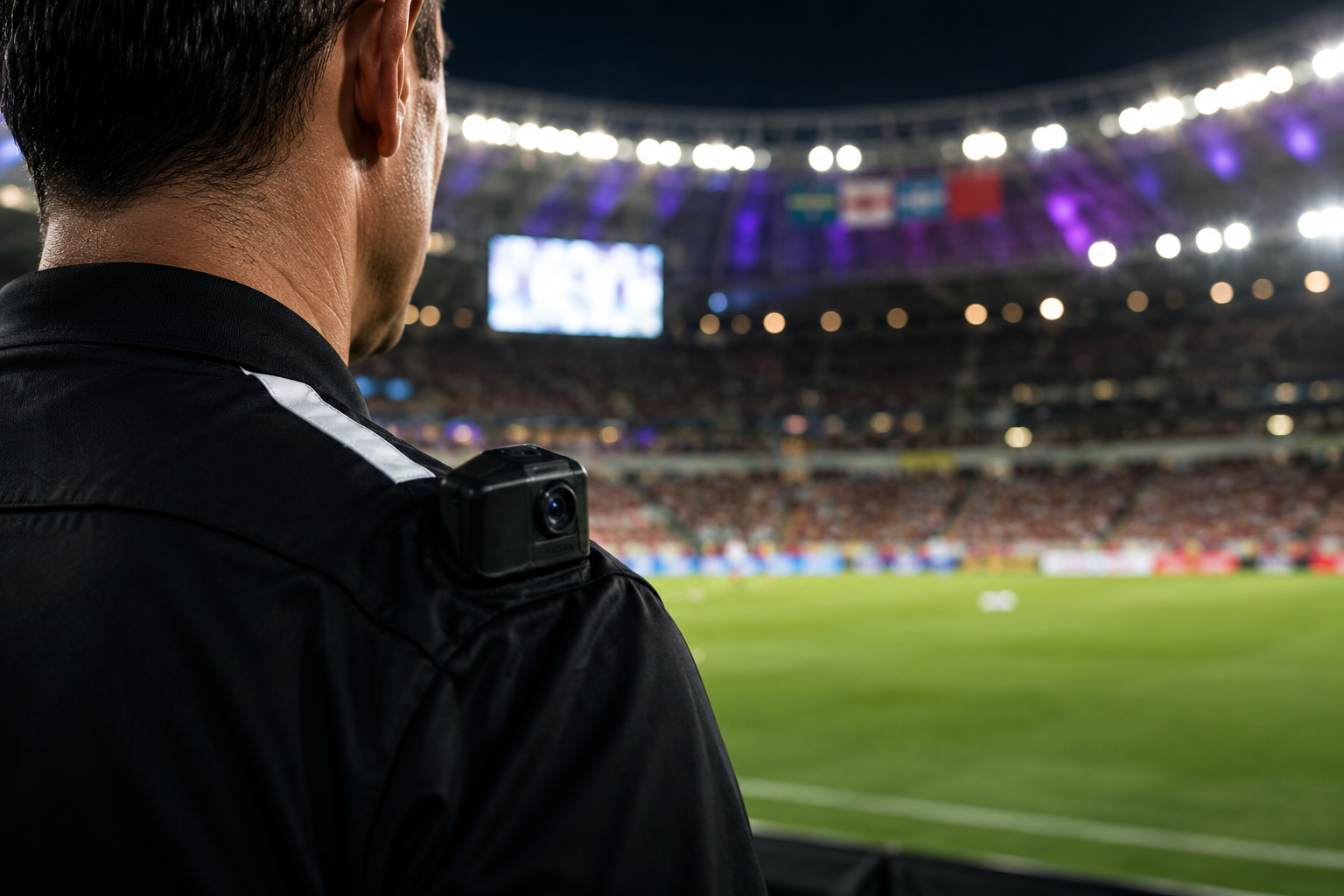
One of the tournament’s most talked about images does not come from an aerial camera or a drone – but from the ref.
For the first time in World Cup history, referees are wearing body cameras that allow them to show certain plays from their perspective. The technology, developed after testing during the 2025 Club World Cup, gives fans an immersive view of the speed, pressure and intensity with which decisions are made on the field.
Artificial Intelligence is already part of refereeing
The 2026 World Cup features a more advanced version of the semi-automated offside system, which combines artificial intelligence, multiple cameras and sensors installed on the ball to detect positions faster and more accurately than ever before.
The system can send alerts directly to the refs and considerably reduce the review time, although the final decision remains the responsibility of the referees.
Artificial Intelligence also participates in the stabilization of body camera images, television production and analysis tools for teams and coaches, consolidating this World Cup as one of the most technical in history.
Business behind the ball
Projections say commercial revenue linked to the World Cup is above $13,000 million, driven by audiovisual rights, sponsorships, hospitality, licenses and commercial agreements.
With stadiums exceeding 80,000 attendees and Fan Festivals attracting millions of people to the host cities, the 2026 World Cup is proving that the fan experience is as important today as the game itself. The World Cup is no longer just a sporting event: it is one of the most important entertainment and business platforms on the planet.
Unexpected protagonists
Every World Cup brings surprises.
Cape Verde has become one of the greatest revelations of the World Cup, gaining international recognition for its performance and proving that the most inspiring stories do not always belong to the winning team.
Paraguay staged one of the biggest blows of the tournament by eliminating Germany in a dramatic penalty shootout, becoming one of the biggest surprises of the knockout phase.
The brands that stood out
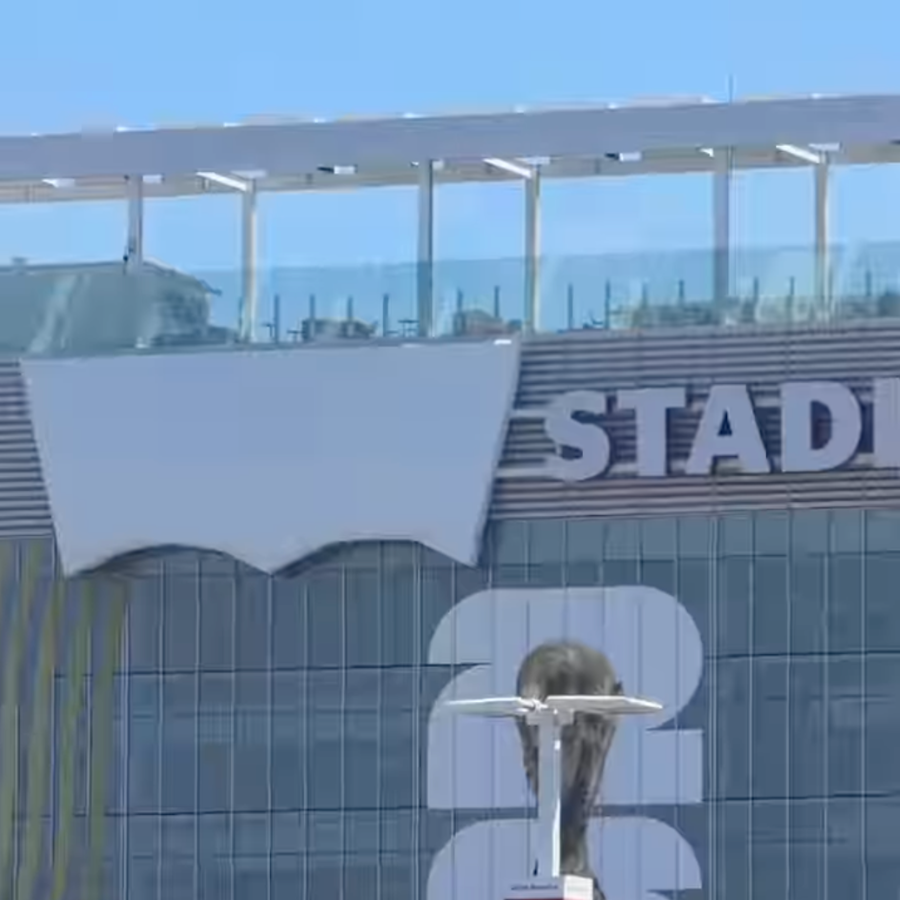
As part of the “clean venue” policy, FIFA ordered for trademarks to be hidden if they were not official sponsors of the World Cup. That meant that well-known brands such as Levi’s Stadium or Gillette Stadium temporarily disappeared from stadium logos during the competition.
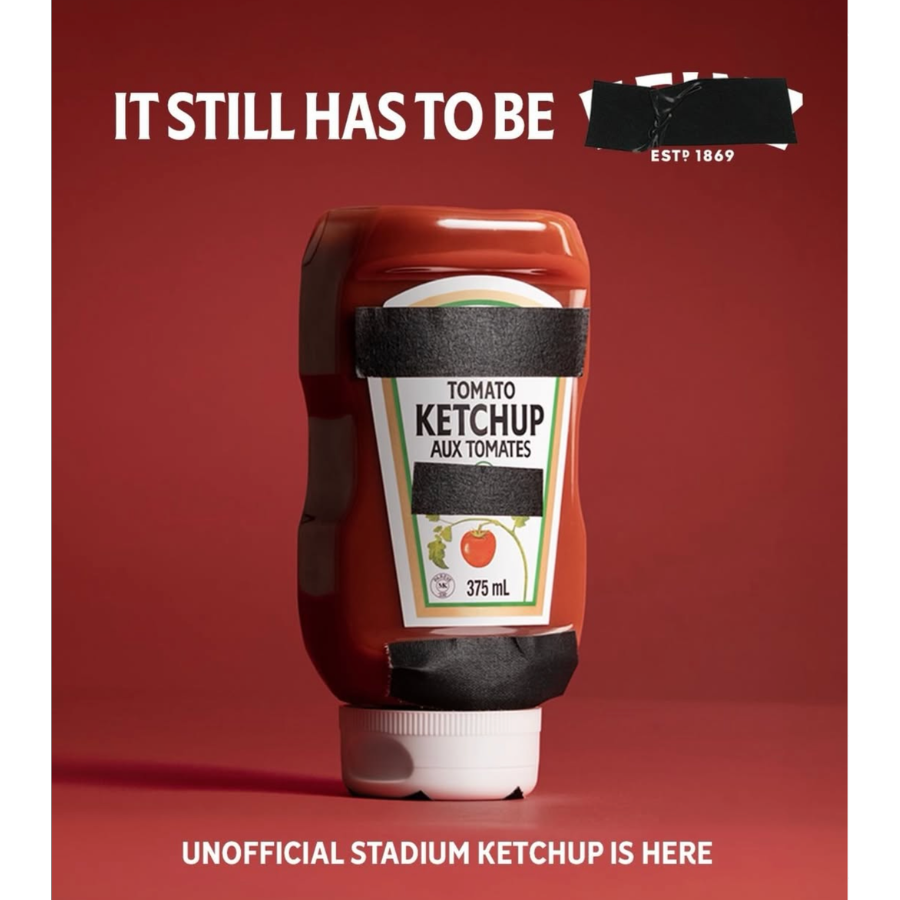
However, instead of accepting the loss of visibility, brands like Levi’s, Heinz and Gillette used that limitation as raw material to create campaigns that quickly went viral on social media. The lesson was clear: when creativity comes into play, even a limitation can become a marketing opportunity.